
Wing-stop®
What Is Wing-stop?
Wing-stop is a quick-service franchise specializing in chicken wings, boneless wings, tenders, chicken sandwiches, French fries and related menu items. Restaurants provide limited customer seating and emphasize off‑premises orders placed digitally via Wing-stop's website or app or by phone. Revenue includes the sale of food and beverages, including beer and wine where legally permitted, and restaurants are typically located in leased retail spaces primarily in shopping centers, generally occupying about 1,200 to 2,000 square feet.
Wing-stop Franchise: Pros and Cons
The brand's top-tier franchise stability (100/100) means franchisees overwhelmingly stay in the system, making revenue forecasts more predictable; however, the franchisor operates 57 company-owned units (top 10%), a large corporate footprint that could signal a focus on corporate expansion over franchisee support and deserves scrutiny.
Pros
Cons
Sales / Revenue
Net Sales reported for the franchised locations described in the FDD in the 2026 FDD.
What is included?
2,116 franchised Wingstop Restaurants open for operation during entire 2025 Measured Period; 384 excluded due to opening during period, 10 temporarily closed, 4 permanently closed
Source and calculation
The displayed figure is taken from the FDD disclosure for the franchised locations described in the FDD. Source table: Narrative paragraph in Item 19.
Important limitations
net sales is not the same as owner profit. It does not show all expenses, debt service, taxes, or cash taken home by an owner.
Lawsuits & Legal Risk
Wing-stop is defending a pending arbitration by a former franchisee alleging territorial encroachment, interference with a sale, and multiple contract and tort claims. Due diligence: review Item 12 territorial and exclusivity protections, transfer and encroachment remedies, dispute-resolution/arbitration clauses, post‑termination obligations, and the franchisor’s history of franchisee disputes and outcomes.
Territory Protection
Wing-stop grants protected Development and site-specific Trade Area rights: a Development Agreement defines your Development Area (excluding Non‑Traditional Venues) and each Franchise Agreement sets a market-density Trade Area; these rights are contingent on meeting performance quotas, franchisor may reduce territory for non‑performance, and franchisor retains e‑commerce rights.
Training & Support
Wing-stop provides a comprehensive 175-hour training curriculum designed to prepare two managerial staff members for launch. The program includes on-site launch support focused on operational readiness; franchisees are responsible for travel and living expenses, and on-site support requires additional fees.
Franchisee Stability
Wing-stop earns an Excellent Stability Score. Three-year turnover of 0.30% is well below the typical Food & Beverage franchise (around 6%). Out of 17 total exits, reacquisitions dominated with 12, alongside 5 ceased operations, and no terminations or non-renewals.
The dominance of franchisor buybacks suggests the franchisor reclaims units, which can mean it absorbs underperforming locations rather than removing operators through enforcement. The absence of terminations and non-renewals leans the pattern toward operational or market reasons for turnover, not franchisee-franchisor friction. Ask how reacquired units are handled: are they renovated and resold, held corporate for recovery, or repurposed? Request examples of recent buybacks, average time to resale, and unit-level performance in the affected markets. Also double-check franchisor policies on resale pricing and the support offered during transfers. For prospective franchisees, this is among the strongest retention profiles in franchising.
Unit Growth Analysis
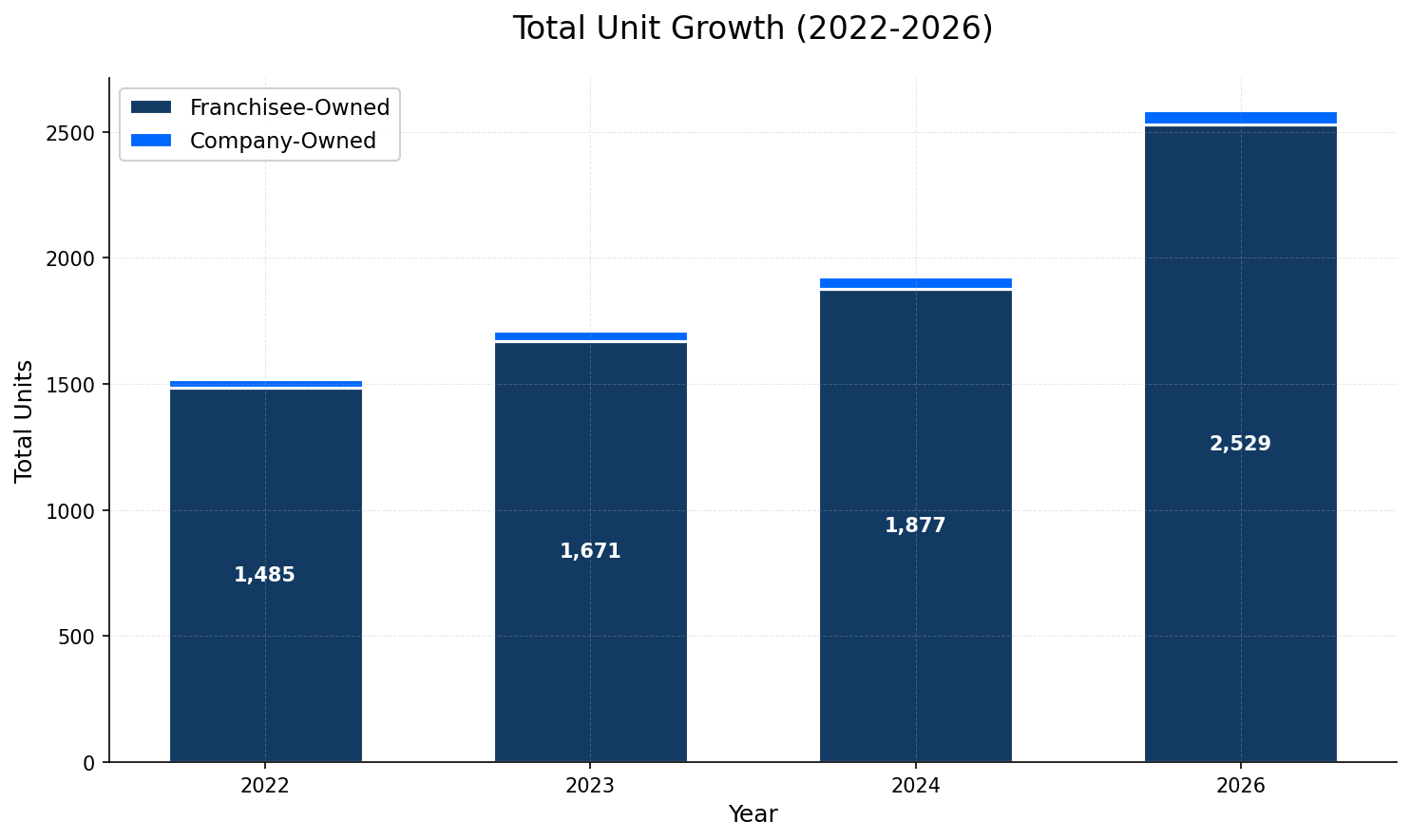
Wing-stop is in a rapid expansion phase-an accelerating 34.3% year-over-year jump that pushed the system past 2,500 units. For a prospective owner that means the concept is proven and demand is strong, but this "rocket ship" pace creates real risks: expect tougher site competition, thinner prime territories, stretched field support and training, and likely higher acquisition costs or tighter territory protections.
How Much Does It Cost to Open a Wing-stop Franchise?
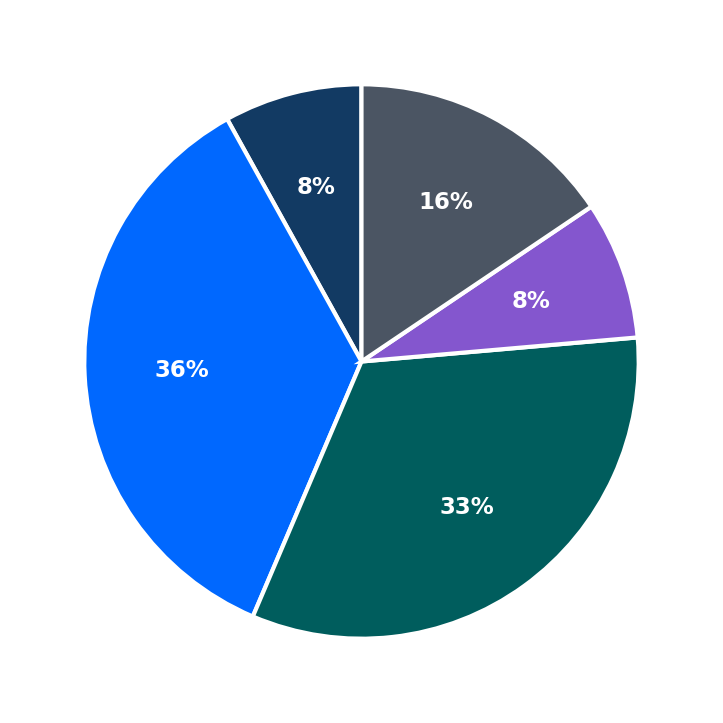
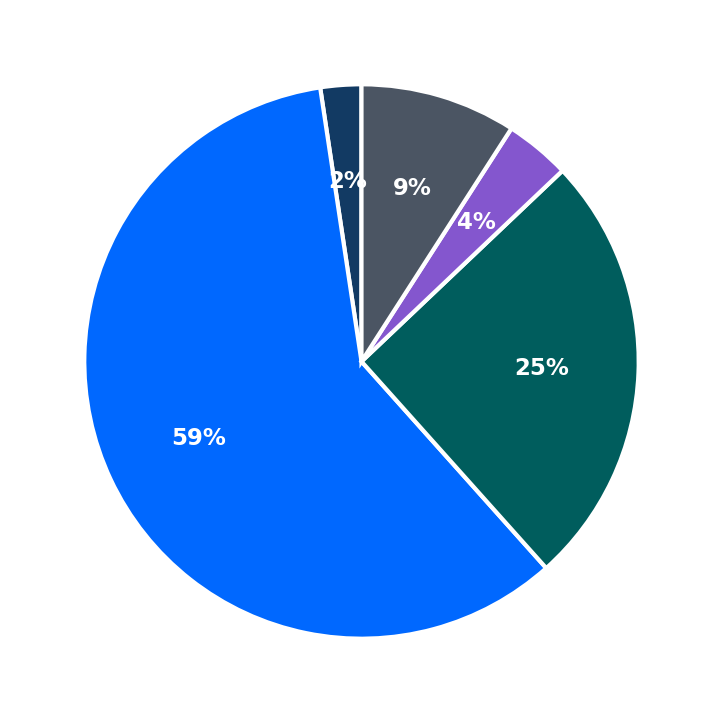
Opening a Wing-stop franchise requires a total initial investment of $310,400 to $1,048,500, according to the 2026 Franchise Disclosure Document. This range covers the franchise fee, real estate, equipment, training, and initial working capital needed to launch and operate through the early months.
Minimum Investment
Maximum Investment
Minimum Investment Breakdown
Maximum Investment Breakdown
Investment Analysis
This investment analysis is coming soon. Have ideas for other analyses you'd like us to add? Get in touch.
The initial investment amounts shown are estimates only. Actual costs may vary based on location size, business model, and multi-unit ownership arrangements. We recommend reviewing the full Franchise Disclosure Document for complete details.
Frequently Asked Questions
Is Wing-stop a good franchise to own?
Whether Wing-stop is a good franchise depends on your goals, experience, and local market. Key factors from the 2026 FDD: Wing-stop operates 2586 locations, received a legal risk score of 95/100, a training and support score of 100/100. The FDD includes Item 19 financial performance data. Prospective franchisees should review the full Franchise Disclosure Document and conduct their own due diligence before making any investment decision.
Is a Wing-stop franchise worth the investment?
The value of a Wing-stop franchise investment depends on factors such as location, operator experience, and market demand. The initial investment ranges from $310,400 to $1,048,500. The 2026 FDD shows net sales of $2,020,001 for the franchised locations described in the FDD. Franchise investments carry inherent risk, and prospective buyers should conduct thorough due diligence before committing capital.
How long does it take to break even with a Wing-stop franchise?
Break-even timelines for Wing-stop franchises are not disclosed in the 2026 Franchise Disclosure Document. Break-even periods vary significantly based on initial investment level, local market conditions, operating costs, and revenue ramp-up speed. Prospective franchisees should build a pro forma financial model using Item 7 cost estimates and, where available, Item 19 financial performance data from the FDD.
Is Wing-stop a franchise or a corporate-owned business?
As of the 2026 FDD, Wing-stop operates 2529 franchised locations and 57 company-owned locations. Franchise opportunities are available through the franchisor's disclosure process.
Interested in Wing-stop?
Get more information and connect with the franchise directly.