
Play Street Museum®
What Is Play Street Museum?
Play Street Museum is a franchise of clean, upscale, educationally focused children's museums-an edutainment concept providing play and learning experiences for young children and their families. The operational model is brick-and-mortar, with franchisees establishing PSM Locations in permanent buildings, typically Class A shopping or stand-alone retail spaces of approximately 2,500 to 5,000 square feet. Play Street Museum's core service bundle includes public open play, private parties (including birthday parties), special events, classes, and on-site retail of educational toys and snacks, delivered within distinctive thematic interior/exterior designs and a proprietary curriculum and operating system.
Play Street Museum Franchise: Pros and Cons
With a perfect 100/100 Franchise Stability Score, no disclosed terminations or legal actions, and refundable initial franchise fees, this concept offers unusually steady, lower-risk ownership; however, the high Item 7 minimum assets requirement of $218,857 (and a 10% required manager equity) raises the upfront funding and hiring hurdle.
Pros
Cons
Sales / Revenue
The 2026 FDD appears to include Item 19 financial performance information, but ZeeReport is not showing a number for this report.
Why no number is shown
ZeeReport could not safely identify the source figure or source row.
Important limitations
When ZeeReport cannot safely identify the source figure, population, or calculation path, the report does not publish a financial number.
Lawsuits & Legal Risk
Play Street Museum reported no material legal proceedings,
Territory Protection
Play Street Museum grants a site-specific Protected Territory around an approved Location-typically tied to market density (≈10,000 children ages 0–9)-that precludes other PSM Locations within that area but remains non‑exclusive. The franchisor retains e-commerce/alternative-channel sales, Major Event operations, relocation approval, and development of nearby units; territory is not performance-contingent.
Training & Support
Play Street Museum provides a focused 44-hour training curriculum designed to prepare three initial trainees for launch. The program includes on-site launch support for operational readiness; travel and lodging are the franchisee's responsibility, and additional fees apply for on-site services.
Franchisee Stability
Play Street Museum earns an Excellent Stability Score. Three-year turnover of 0.00% is well below the typical Children's Services franchise (around 3.5%), placing the system among the lowest-churn 10% of industry peers and far under the median. Out of 0 total exits across the three reported years, there were no terminations, no non-renewals, no franchisor buybacks, and no ceased operations.
This is built on a compact track record (roughly 16 franchisees averaged across three years); continued retention as the system grows would solidify the picture. Prospective buyers should talk with current owners about opening experiences, local demand patterns, unit-level economics, and the franchisor's hands-on support during startup and break-in. Also ask for examples of recent unit performance and recovery after slow openings. For prospective franchisees, the picture so far is uniformly clean: every franchisee who came in stayed in.
Unit Growth Analysis
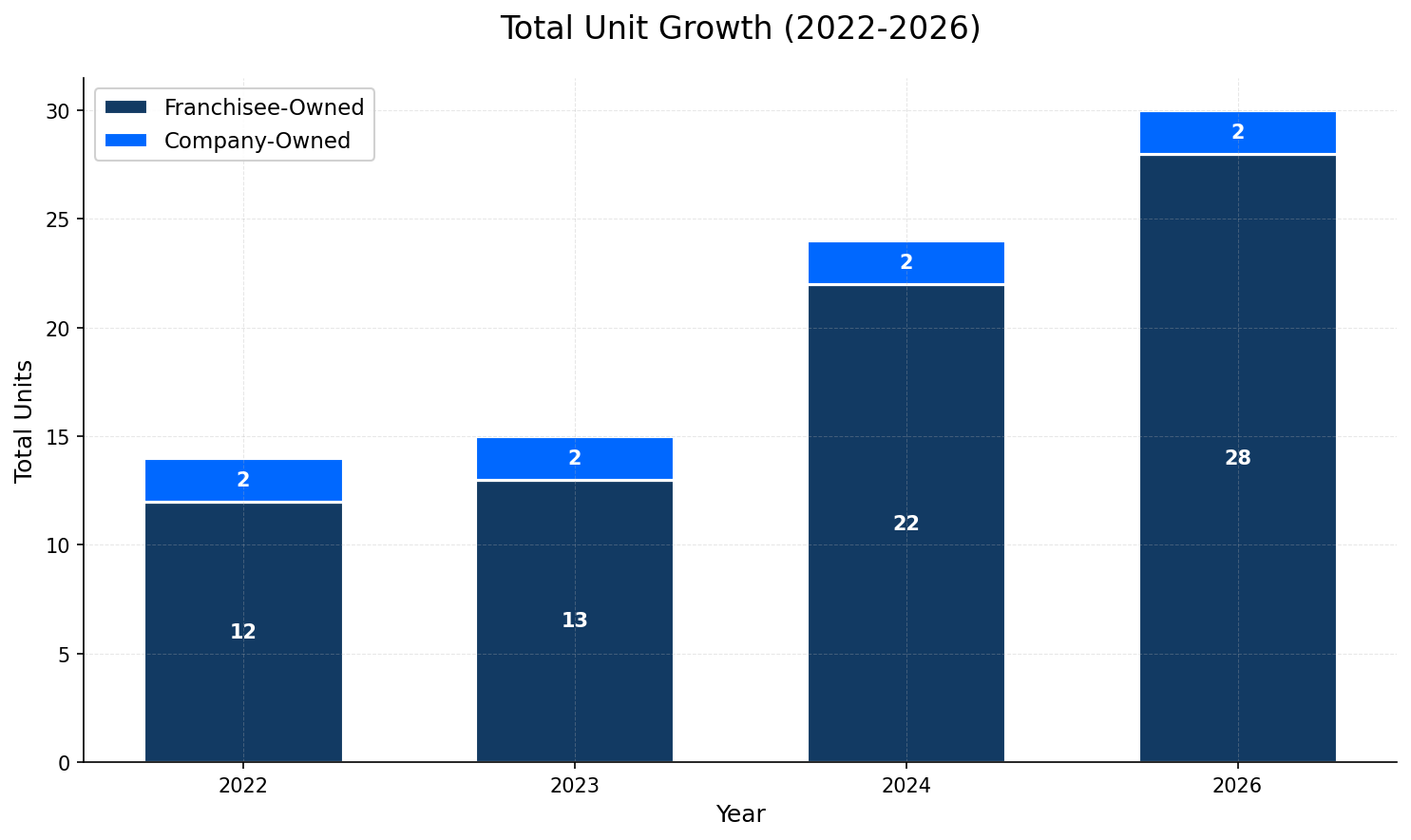
Play Street Museum added 16 net units to reach 30 locations since 2022 - a strong early expansion that has slowed to roughly +25% year-over-year recently. For a prospective owner this signals a validated, mostly-franchised model (28 franchised vs. 2 company-owned), but the deceleration implies either shrinking territory opportunities or strain on franchisor support; confirm current marketing lead volume, onboarding resources, and service response times before committing.
How Much Does It Cost to Open a Play Street Museum Franchise?
Opening a Play Street Museum franchise requires a total initial investment of $482,741 to $759,920, according to the 2026 Franchise Disclosure Document. This range covers the franchise fee, real estate, equipment, training, and initial working capital needed to launch and operate through the early months.
Minimum Investment
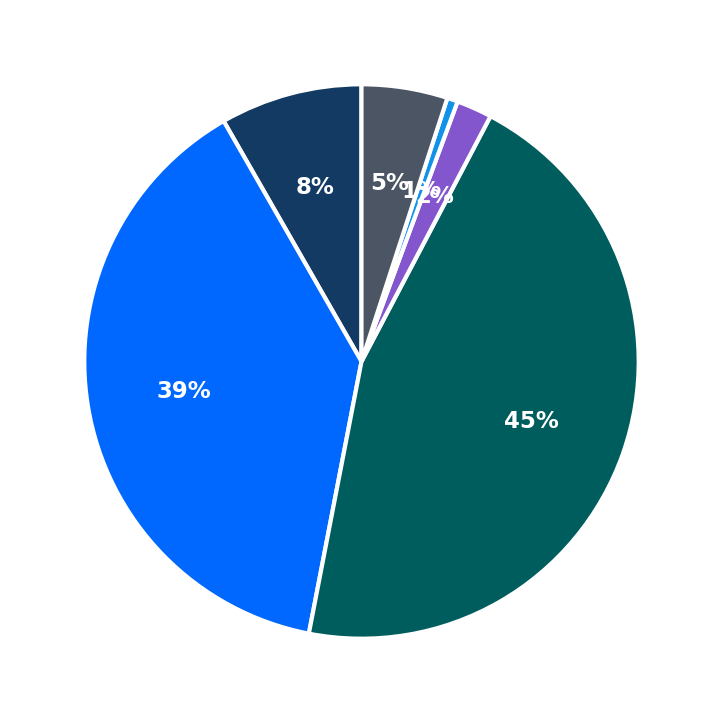
Maximum Investment
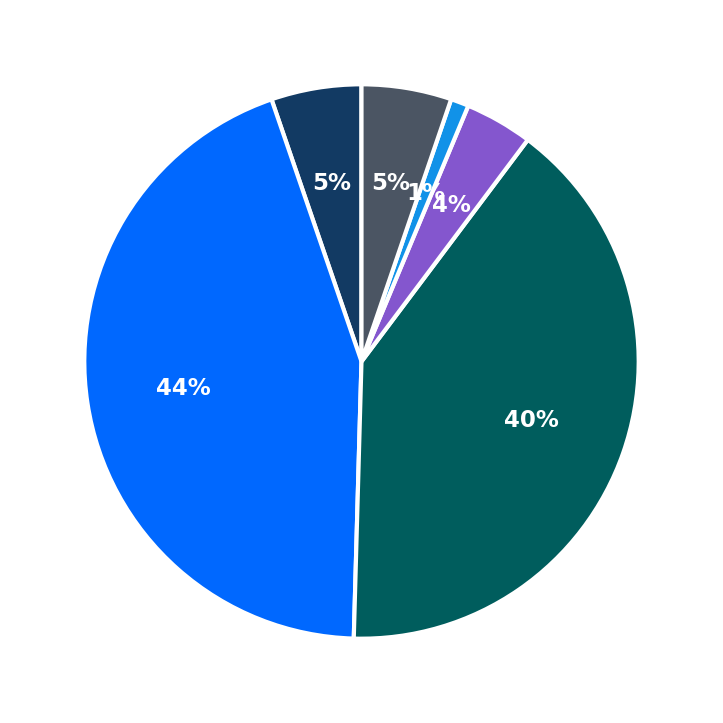
Minimum Investment Breakdown
Maximum Investment Breakdown
Investment Analysis
This investment analysis is coming soon. Have ideas for other analyses you'd like us to add? Get in touch.
The initial investment amounts shown are estimates only. Actual costs may vary based on location size, business model, and multi-unit ownership arrangements. We recommend reviewing the full Franchise Disclosure Document for complete details.
Frequently Asked Questions
Is Play Street Museum a good franchise to own?
Whether Play Street Museum is a good franchise depends on your goals, experience, and local market. Key factors from the 2026 FDD: Play Street Museum operates 30 locations, received a legal risk score of 100/100, a training and support score of 46/100. The 2026 FDD appears to include Item 19 financial performance information, but ZeeReport is not showing a number for this report. Prospective franchisees should review the full Franchise Disclosure Document and conduct their own due diligence before making any investment decision.
Is a Play Street Museum franchise worth the investment?
The value of a Play Street Museum franchise investment depends on factors such as location, operator experience, and market demand. The initial investment ranges from $482,741 to $759,920. The 2026 FDD appears to include Item 19 financial performance information, but ZeeReport is not showing a number for this report. Franchise investments carry inherent risk, and prospective buyers should conduct thorough due diligence before committing capital.
How long does it take to break even with a Play Street Museum franchise?
Break-even timelines for Play Street Museum franchises are not disclosed in the 2026 Franchise Disclosure Document. Break-even periods vary significantly based on initial investment level, local market conditions, operating costs, and revenue ramp-up speed. Prospective franchisees should build a pro forma financial model using Item 7 cost estimates and, where available, Item 19 financial performance data from the FDD.
Is Play Street Museum a franchise or a corporate-owned business?
As of the 2026 FDD, Play Street Museum operates 28 franchised locations and 2 company-owned locations. Franchise opportunities are available through the franchisor's disclosure process.
Interested in Play Street Museum?
Get more information and connect with the franchise directly.