
Music Go Round®
What Is Music Go Round?
Music Go Round is a retail franchise operating brick-and-mortar stores that buy and sell quality used and new musical instruments, speakers, amplifiers, music-related electronics and related accessories. It serves individual consumers (B2C), including parents of children who play instruments as well as professional and amateur musicians. The core service bundle is purchasing customers' used goods for resale and offering new merchandise to supplement the selection, delivered through the Music Go Round business system and trademarks.
Music Go Round Franchise: Pros and Cons
A major strength is the low initial franchise fee of $15,000 (up to $25,000 at the high end), placing this opportunity in the bottom 10% of franchise fees and leaving more cash for build-out, but a primary risk is that the franchisor operates zero company-owned units (0, bottom 5%), which limits field-testing and system iteration.
Pros
Cons
Sales / Revenue
Gross Sales reported for the franchised locations described in the FDD in the 2026 FDD.
What is included?
31 franchised stores meeting 12-month operation and no transfer criteria; 4 excluded
Source and calculation
The displayed figure is taken from the FDD disclosure for the franchised locations described in the FDD. Source table: SECTION 1: MUSIC GO ROUND® STATEMENT OF AVERAGE ANNUAL GROSS SALES AND GROSS PROFIT.
Important limitations
gross sales is not the same as owner profit. It does not show all expenses, debt service, taxes, or cash taken home by an owner.
Lawsuits & Legal Risk
Music Go Round reported no material legal proceedings,
Territory Protection
Music Go Round grants a protected Exclusive Territory (typically a 3–5 mile computer‑modeled radius; urban minima 75,000–100,000, non‑urban 50,000) with a franchisor‑designated development area and site approval. The franchisor retains rights to e‑commerce/alternative channels and to develop additional or differently branded outlets; relocation requires written consent.
Training & Support
Music Go Round provides a robust 77-hour training curriculum designed to prepare franchisee personnel for launch; the initial fee does not include training for any specific number of individuals. The program includes on-site launch assistance for operational readiness; franchisees are responsible for travel, lodging, and living expenses, and on-site support is provided without an additional franchisor charge.
Franchisee Stability
Music Go Round receives a Normal Stability Score. Three-year turnover of 4.63% falls below the typical Retail franchise (around 5%). Out of 5 total exits, terminations dominated with 4, alongside 1 non-renewal, no franchisor buybacks, and no ceased operations.
The dominance of terminations suggests franchisor-initiated exits, which can mean operators struggled with the model or the franchisor enforces standards aggressively. Prospective buyers should request concrete examples of support and remediation, timelines for recovery, and the conditions that trigger termination. They should also interview current and former franchisees in similar markets to learn whether problems were isolated or systemic. With about 34 franchised outlets in the most recent year, check whether terminations clustered in particular local geographies, owner profiles, or timeframes. For prospective franchisees, retention is in line with industry peers.
Unit Growth Analysis
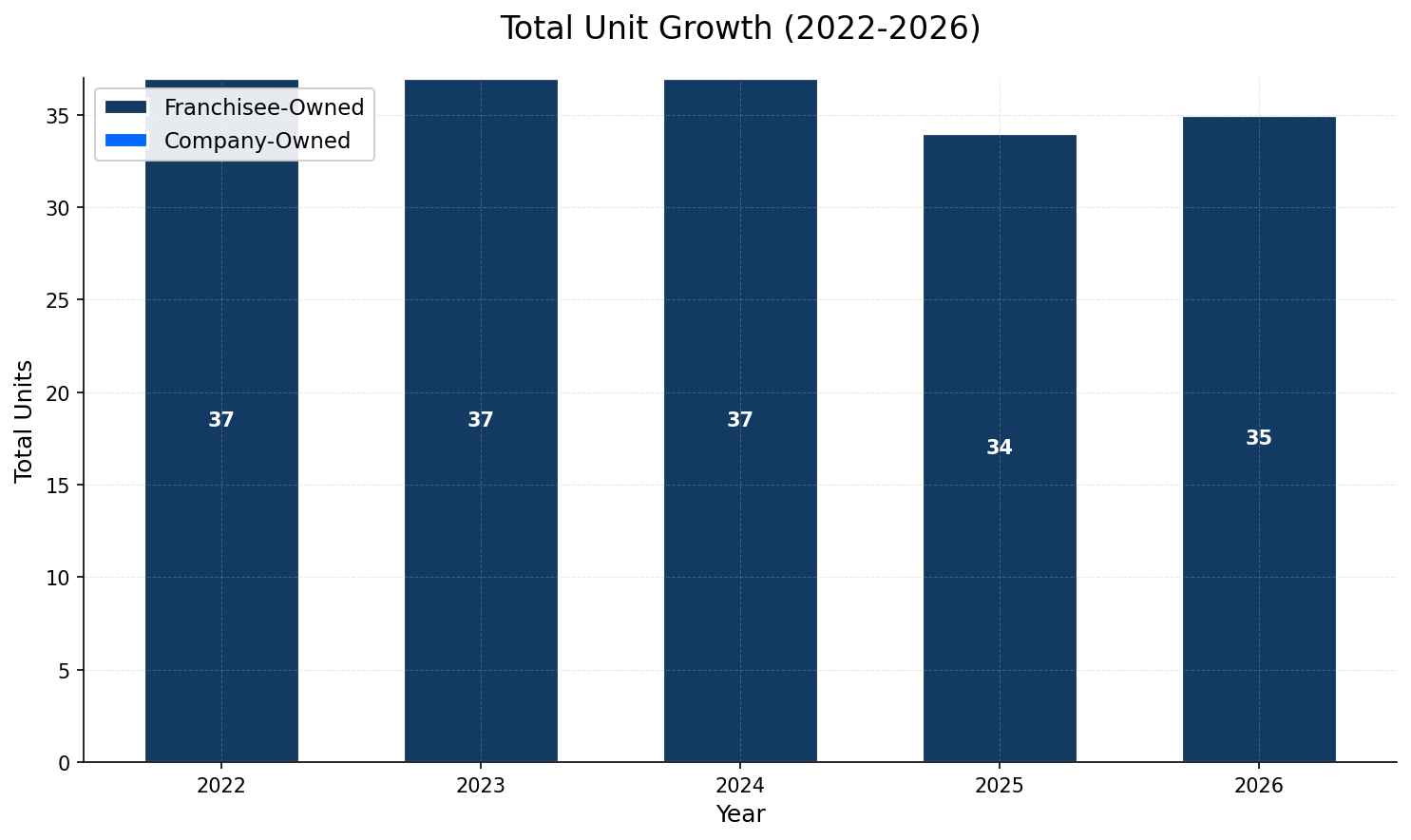
Music Go Round is slightly smaller than it was in 2022, hovering around 35 locations with a modest recent decline. At this scale it reads as a stalled startup: the system is thin, there are few peer owners to learn from, and the franchisor hasn’t built a clear, expanding franchise network. As a prospective owner, treat this as higher risk-demand detailed store-level profit data, ask for franchisee turnover and support metrics, and confirm whether marketing and territory protections are realistic before committing.
How Much Does It Cost to Open a Music Go Round Franchise?
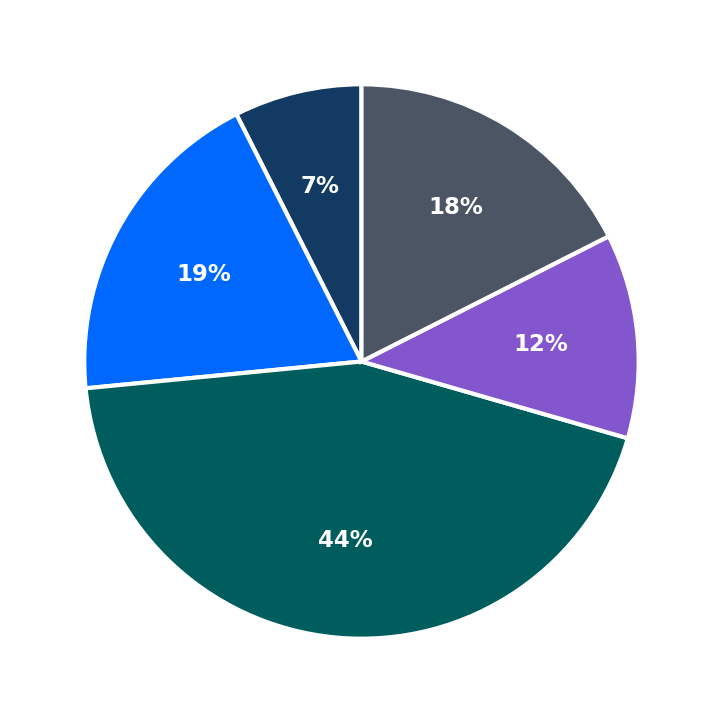
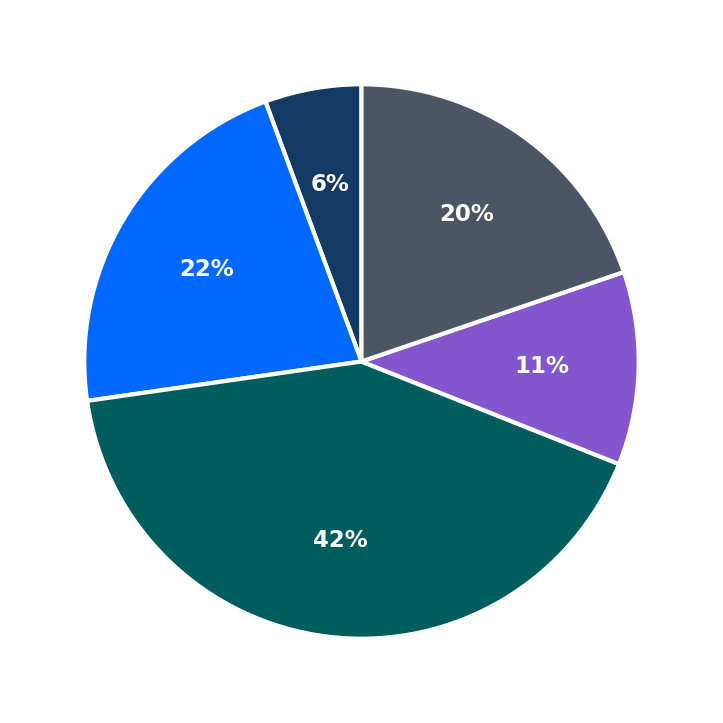
Opening a Music Go Round franchise requires a total initial investment of $335,300 to $443,700, according to the 2026 Franchise Disclosure Document. This range covers the franchise fee, real estate, equipment, training, and initial working capital needed to launch and operate through the early months.
Minimum Investment
Maximum Investment
Minimum Investment Breakdown
Maximum Investment Breakdown
Investment Analysis
This investment analysis is coming soon. Have ideas for other analyses you'd like us to add? Get in touch.
The initial investment amounts shown are estimates only. Actual costs may vary based on location size, business model, and multi-unit ownership arrangements. We recommend reviewing the full Franchise Disclosure Document for complete details.
Frequently Asked Questions
Is Music Go Round a good franchise to own?
Whether Music Go Round is a good franchise depends on your goals, experience, and local market. Key factors from the 2026 FDD: Music Go Round operates 35 locations, received a legal risk score of 100/100, a training and support score of 42/100. The FDD includes Item 19 financial performance data. Prospective franchisees should review the full Franchise Disclosure Document and conduct their own due diligence before making any investment decision.
Is a Music Go Round franchise worth the investment?
The value of a Music Go Round franchise investment depends on factors such as location, operator experience, and market demand. The initial investment ranges from $335,300 to $443,700. The 2026 FDD shows gross sales of $1,578,281 for the franchised locations described in the FDD. The system reported 2 terminated units in 2026. Franchise investments carry inherent risk, and prospective buyers should conduct thorough due diligence before committing capital.
What is the failure rate of Music Go Round franchises?
In the 2026 FDD, Music Go Round reported 2 terminated franchises and 0 non-renewals out of 35 total locations. Franchise closures can result from many factors including market conditions, operator decisions, lease expirations, and franchisor enforcement actions. The FDD's Item 20 provides the most detailed unit turnover data.
How long does it take to break even with a Music Go Round franchise?
Break-even timelines for Music Go Round franchises are not disclosed in the 2026 Franchise Disclosure Document. Break-even periods vary significantly based on initial investment level, local market conditions, operating costs, and revenue ramp-up speed. Prospective franchisees should build a pro forma financial model using Item 7 cost estimates and, where available, Item 19 financial performance data from the FDD.
Is Music Go Round a franchise or a corporate-owned business?
As of the 2026 FDD, Music Go Round operates 35 franchised locations and 0 company-owned locations. Franchise opportunities are available through the franchisor's disclosure process.
Interested in Music Go Round?
Get more information and connect with the franchise directly.