Jamba®
What Is Jamba?
Jamba is a franchise specializing in fresh blended-to-order smoothies, fresh-squeezed juices and other specialty beverages, complemented by portable food items such as fruit bowls, hot oatmeal, breakfast wraps, sandwiches, flatbreads, baked goods and snacks. Stores are offered in Traditional formats (urban in-line locations or freestanding buildings, with optional drive-thru) and in Non-Traditional formats located in limited-access or captive-audience sites such as airports, stadiums, food courts, convenience stores, university campuses, hospitals and similar institutional or retail venues. Revenue is generated primarily from retail sales of beverages and food in Stores, and the brand may also sell or license Jamba-branded products through wholesale, mail-order and Internet channels, Delivery Kitchens, and a company-administered gift card program.
Jamba Franchise: Pros and Cons
The brand’s low $17,750 initial franchise fee leaves new owners more cash for build-out and early operating costs, but 37 signed‑but‑not‑open units-well above typical-signal possible site‑approval or support delays and suggest the franchisor may be selling agreements faster than it can help franchisees open.
Pros
Cons
Sales / Revenue
Average Net Sales reported for 488 real franchise locations in the 2026 FDD.
What is included?
486 of 557 Traditional Franchises (87.3%) met the eligibility criteria
Source and calculation
The displayed figure is taken from the FDD disclosure for 488 real franchise locations. Source table: AVERAGE NET SALES BY QUARTILE FOR TRADITIONAL FRANCHISES FOR FISCAL YEAR 2025.
Important limitations
average net sales is not the same as owner profit. It does not show all expenses, debt service, taxes, or cash taken home by an owner.
Lawsuits & Legal Risk
Jamba: Affiliates settled recent matters-no‑poach enforcement settlements (2019), a Dunkin’ data‑breach consent order (2020), and a Maryland administrative consent (2025) involving disclosure omissions-each resolved via settlement without admission of liability. Due diligence: review franchise agreement employee‑restriction and post‑termination clauses, Item 11 cybersecurity practices and incident history, and Item 20 franchisee contact disclosures.
Territory Protection
Jamba grants a limited, site-specific protected Area of Protection for Traditional and certain co‑branded streetside stores-negotiated case-by-case and capped (one-block urban, one-mile non‑urban). The franchisor retains broad development and alternative-channel rights, may develop nearby units, sell via e‑commerce/delivery channels, and the protection is contingent on meeting performance quotas.
Training & Support
Jamba provides a robust 85-hour training curriculum designed to prepare two staff members for operational readiness and launch. The program includes on-site launch support for operational readiness; on-site assistance carries an additional fee, and travel and living expenses are the franchisee's responsibility.
Franchisee Stability
Jamba receives a Normal Stability Score. Three-year turnover of 5.93% sits above the typical Food & Beverage franchise (around 6%), only marginally higher than industry peers. Out of 130 total exits across the three reported years, terminations dominated with 116, alongside 13 non-renewals, no franchisor buybacks, and 1 ceased operations.
The dominance of terminations suggests franchisor-initiated exits, which could mean operators struggled with the model or that the franchisor enforces standards aggressively. Prospective buyers should ask about common termination causes, how the franchisor supports underperforming units, and examples of remediation or recovery with timelines where available. Also speak with current and former franchisees about onboarding, marketing support, and whether terminations clustered in particular regions, owner-operator versus absentee profiles, or newer versus long-tenured franchisees. For prospective franchisees, retention is in line with industry peers.
Unit Growth Analysis
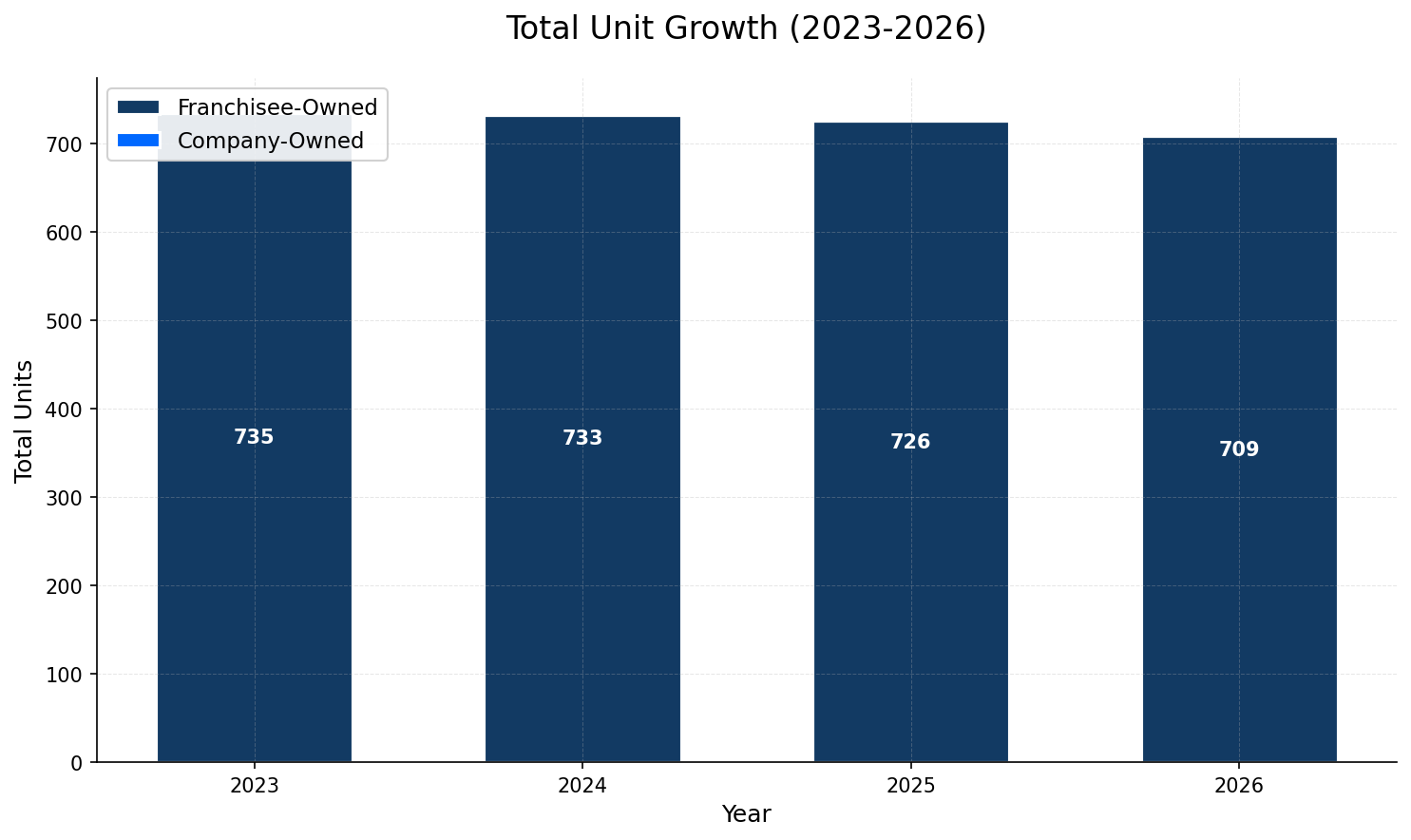
Jamba is down to 710 locations - roughly a 3.8% decline since 2023 and showing a -2.3% year-over-year drop. This reads like a mature, mostly franchised system with limited expansion upside: as a new owner you’re buying a cash-flow business that will reward operational execution more than territory-driven growth, and prime markets will be harder to secure. Verify local demand, why locations closed, and the franchisor’s capacity to support operators, because your upside will come from running a stronger unit, not from a rising brand footprint.
How Much Does It Cost to Open a Jamba Franchise?
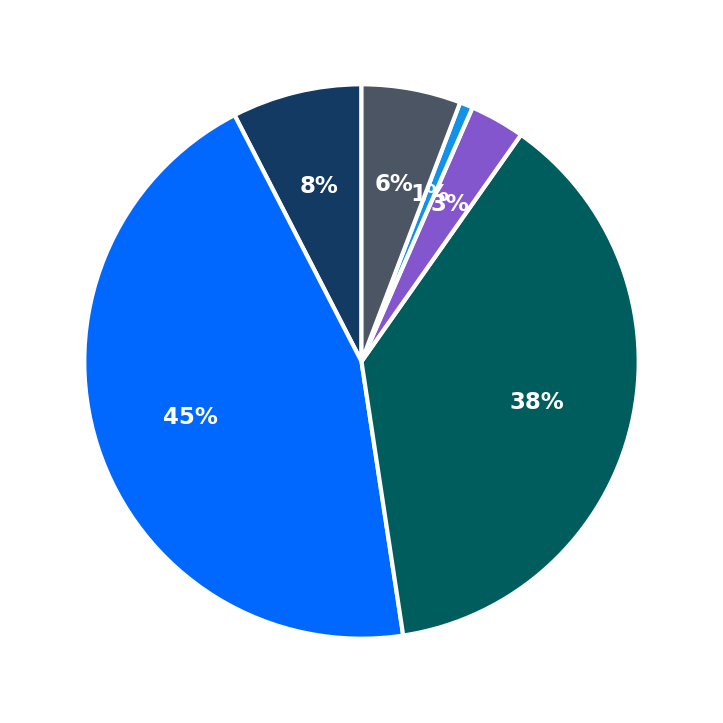
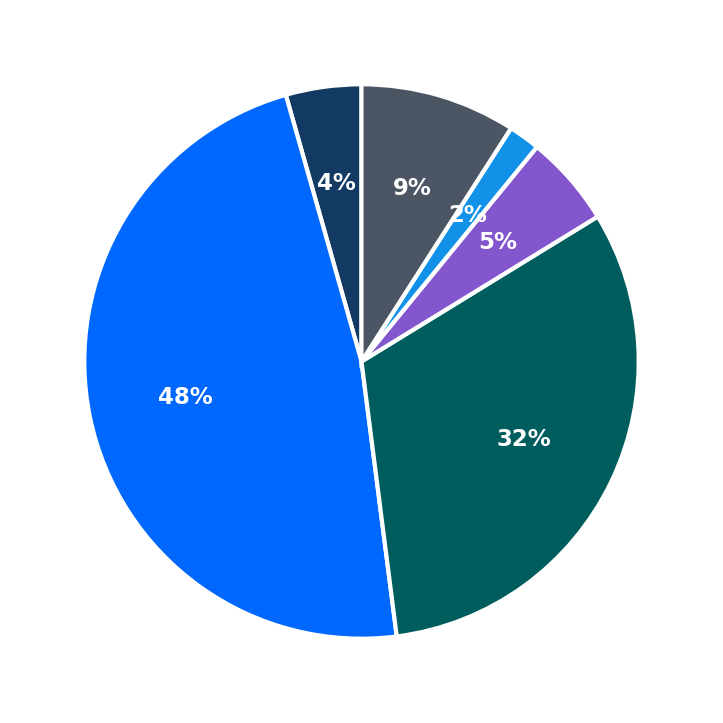
Opening a Jamba franchise requires a total initial investment of $468,850 to $806,250, according to the 2026 Franchise Disclosure Document. This range covers the franchise fee, real estate, equipment, training, and initial working capital needed to launch and operate through the early months.
Minimum Investment
Maximum Investment
Minimum Investment Breakdown
Maximum Investment Breakdown
Investment Analysis
This investment analysis is coming soon. Have ideas for other analyses you'd like us to add? Get in touch.
The initial investment amounts shown are estimates only. Actual costs may vary based on location size, business model, and multi-unit ownership arrangements. We recommend reviewing the full Franchise Disclosure Document for complete details.
Frequently Asked Questions
Is Jamba a good franchise to own?
Whether Jamba is a good franchise depends on your goals, experience, and local market. Key factors from the 2026 FDD: Jamba operates 710 locations, received a legal risk score of 81/100, a training and support score of 52/100. The FDD includes Item 19 financial performance data. Prospective franchisees should review the full Franchise Disclosure Document and conduct their own due diligence before making any investment decision.
Is a Jamba franchise worth the investment?
The value of a Jamba franchise investment depends on factors such as location, operator experience, and market demand. The initial investment ranges from $468,850 to $806,250. The 2026 FDD shows average net sales of $674,979 for 488 real franchise locations. The system reported 4 terminated units in 2026. Franchise investments carry inherent risk, and prospective buyers should conduct thorough due diligence before committing capital.
What is the failure rate of Jamba franchises?
In the 2026 FDD, Jamba reported 4 terminated franchises and 0 non-renewals out of 710 total locations. Franchise closures can result from many factors including market conditions, operator decisions, lease expirations, and franchisor enforcement actions. The FDD's Item 20 provides the most detailed unit turnover data.
How long does it take to break even with a Jamba franchise?
Break-even timelines for Jamba franchises are not disclosed in the 2026 Franchise Disclosure Document. Break-even periods vary significantly based on initial investment level, local market conditions, operating costs, and revenue ramp-up speed. Prospective franchisees should build a pro forma financial model using Item 7 cost estimates and, where available, Item 19 financial performance data from the FDD.
Is Jamba a franchise or a corporate-owned business?
As of the 2026 FDD, Jamba operates 709 franchised locations and 1 company-owned locations. Franchise opportunities are available through the franchisor's disclosure process.
Interested in Jamba?
Get more information and connect with the franchise directly.