
Home Instead®
What Is Home Instead?
Home Instead is a franchise that provides in‑home care services for older adults and other individuals. The franchise employs trained Care Pros who deliver services in clients' homes (in‑home operational model) to individual consumers (B2C); the core service bundle includes companionship, personal care, nurse‑directed and specialized services (including end‑of‑life and Alzheimer’s support) and may be supported by a proprietary Care Platform for recruitment, onboarding, care management, and client billing.
Home Instead Franchise: Pros and Cons
The franchisor has an excellent Franchise Stability Score of 92/100, signaling unusually strong franchisee retention across its 625 outlets (619 franchised), but recurring disputes are a clear risk: reacquired outlets (4), franchisee-initiated settlements (2) and franchisor enforcement actions (2) all run above typical and suggest operator turnover.
Pros
Cons
Sales / Revenue
Gross Sales reported for 603 real franchise locations in the 2026 FDD.
What is included?
603 Home Instead U.S. Franchised Businesses in operation as of December 31, 2024, excluding 16 opened after January 1, 2024
Source and calculation
The displayed figure is taken from the FDD disclosure for 603 real franchise locations. Source table: 2024 Gross Sales for Franchised Businesses.
Important limitations
gross sales is not the same as owner profit. It does not show all expenses, debt service, taxes, or cash taken home by an owner.
Lawsuits & Legal Risk
Home Instead: The Facts: Home Instead has pursued active enforcement of system standards-recent suits allege trademark/Lanham Act violations, trade-secret misappropriation, and enforcement of post‑termination non‑competes and debranding; matters were resolved via settlement and stipulated judgments without admission of liability. The Advice: Review post‑termination obligations in the franchise agreement and Item 12 territorial protections; consult counsel on enforceability.
Territory Protection
Home Instead grants a protected, site‑specific territory (Exhibit A) set by third‑party demographics with a minimum estimated 10,000 residents aged 65+. Exclusivity is contingent on meeting performance quotas; the franchisor retains rights to develop additional units in the surrounding market, operate National Accounts, and sell via e‑commerce and other alternative distribution channels.
Training & Support
Home Instead provides a focused 45-hour training curriculum designed to prepare two individuals for operational launch. The program includes on-site launch support for operational readiness, with on-site assistance available for an additional fee while the franchisor covers living expenses.
Franchisee Stability
Home Instead earns an Excellent Stability Score. Three-year turnover of 1.41% is well below the typical franchise, which reports turnover of around 6%. Out of 26 total exits across the three reported years, ceased operations dominated with 18, alongside 3 terminations, no non-renewals, and 5 franchisor buybacks.
The dominance of ceased operations suggests location-level economics: operators appear to have chosen to close underperforming locations rather than exits driven primarily by franchisor enforcement. The system counts about 616 franchised outlets in the most recent year. Prospective buyers should review unit-level performance in the geographies where closures clustered and speak with current and former owners about market conditions and operational support. Ask to see examples where the franchisor helped a struggling location recover and how long that process took. For prospective franchisees, this is among the strongest retention profiles in franchising.
How Much Does It Cost to Open a Home Instead Franchise?
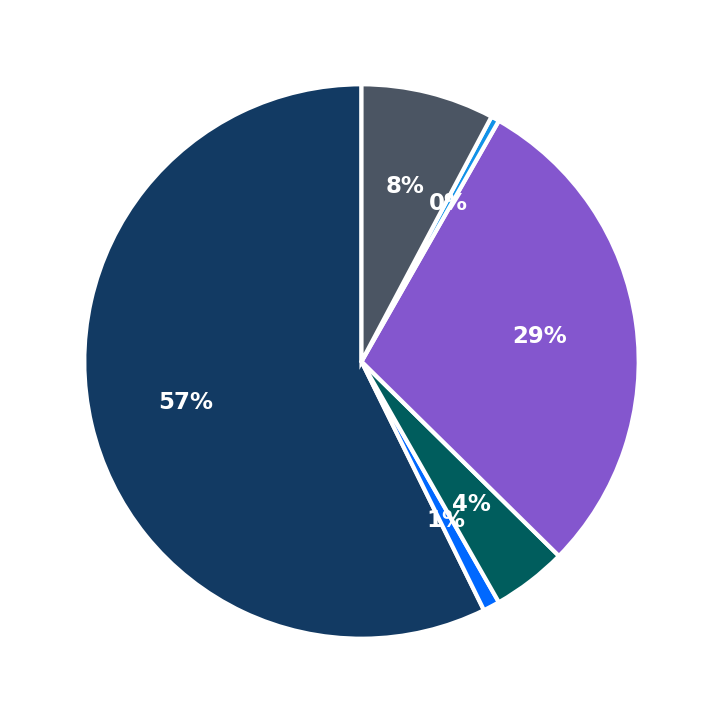
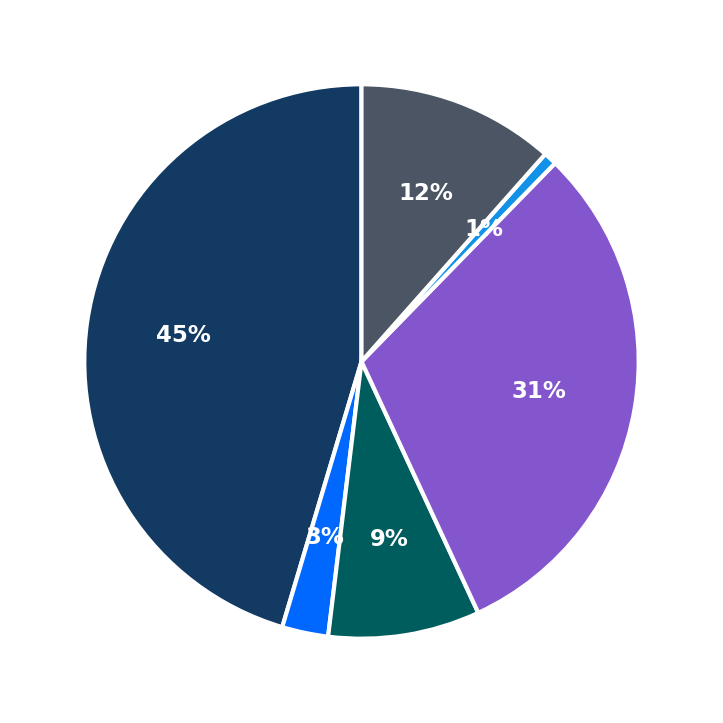
Opening a Home Instead franchise requires a total initial investment of $103,000 to $130,000, according to the 2026 Franchise Disclosure Document. This range covers the franchise fee, real estate, equipment, training, and initial working capital needed to launch and operate through the early months.
Minimum Investment
Maximum Investment
Minimum Investment Breakdown
Maximum Investment Breakdown
Investment Analysis
This investment analysis is coming soon. Have ideas for other analyses you'd like us to add? Get in touch.
The initial investment amounts shown are estimates only. Actual costs may vary based on location size, business model, and multi-unit ownership arrangements. We recommend reviewing the full Franchise Disclosure Document for complete details.
Frequently Asked Questions
Is Home Instead a good franchise to own?
Whether Home Instead is a good franchise depends on your goals, experience, and local market. Key factors from the 2026 FDD: Home Instead operates 625 locations, received a legal risk score of 78/100, a training and support score of 42/100. The FDD includes Item 19 financial performance data. Prospective franchisees should review the full Franchise Disclosure Document and conduct their own due diligence before making any investment decision.
Is a Home Instead franchise worth the investment?
The value of a Home Instead franchise investment depends on factors such as location, operator experience, and market demand. The initial investment ranges from $103,000 to $130,000. The 2026 FDD shows gross sales of $2,609,616 for 603 real franchise locations. Franchise investments carry inherent risk, and prospective buyers should conduct thorough due diligence before committing capital.
How long does it take to break even with a Home Instead franchise?
Break-even timelines for Home Instead franchises are not disclosed in the 2026 Franchise Disclosure Document. Break-even periods vary significantly based on initial investment level, local market conditions, operating costs, and revenue ramp-up speed. Prospective franchisees should build a pro forma financial model using Item 7 cost estimates and, where available, Item 19 financial performance data from the FDD.
Is Home Instead a franchise or a corporate-owned business?
As of the 2026 FDD, Home Instead operates 619 franchised locations and 6 company-owned locations. Franchise opportunities are available through the franchisor's disclosure process.
Interested in Home Instead?
Get more information and connect with the franchise directly.