
Great Harvest®
What Is Great Harvest?
Great Harvest is a bakery cafe franchise specializing in fresh-baked whole-wheat breads, baked goods, soups, salads, and sandwiches. The concept is operated as a fast-casual bakery cafe serving customers in a fast-casual setting. Franchisees may also sell Great Harvest fresh-baked breads to local wholesale and mail-order accounts as an additional revenue stream.
Great Harvest Franchise: Pros and Cons
The franchisor offers exceptionally thorough onboarding - a training and support score of 100 and 333 hours of initial training (score in the top quarter; hours in the top 10%) - but there are two franchisor‑initiated enforcement actions and one government agency penalty, suggesting active regulatory and operator friction.
Pros
Cons
Sales / Revenue
Gross Sales reported for 62 real franchise locations in the 2026 FDD.
What is included?
95 of 152 franchised outlets met the reporting criteria
Source and calculation
The displayed figure is taken from the FDD disclosure for 62 real franchise locations. Source table: Gross Sales2 - All Bakery Cafes.
Important limitations
gross sales is not the same as owner profit. It does not show all expenses, debt service, taxes, or cash taken home by an owner.
Lawsuits & Legal Risk
Great Harvest faced franchisee-related suits alleging contract breaches, trademark and trade secret violations, and unpaid liabilities; matters were resolved via settlement (including payment obligations and a consent judgment/restraining order). Due diligence: closely review post-termination obligations, trademark and proprietary-use clauses, gift-card/liability treatment, and Item 12 territorial protections and enforcement remedies.
Territory Protection
Great Harvest grants a protected (but not exclusive) territory defined by map or ZIP codes, sized to ~50,000 people or a 2–4 mile radius and subject to site approval. Territory rights are contingent on meeting performance quotas; the franchisor retains rights to develop additional units and sell via e‑commerce and alternative channels.
Training & Support
Great Harvest provides a comprehensive 333-hour training curriculum designed to prepare two individuals for launch. The program includes on-site launch support for operational readiness; franchisees are responsible for travel and living expenses, and on-site assistance carries additional fees.
Franchisee Stability
Great Harvest receives a Normal Stability Score. Three-year turnover of 5.76% sits above the typical Food & Beverage franchise (around 5.6%). Out of 28 total exits, ceased operations dominated with 27, alongside 1 non-renewal, no franchisor buybacks, and no terminations.
The heavy presence of ceased operations points toward location-level economics: operators appear to have chosen to close underperforming units rather than being pushed out by the franchisor; prospective buyers should therefore focus diligence on unit-level sales trends, local rent and labor costs, site-selection evidence, and examples of franchisor support for struggling locations; also ask whether closures cluster by geography, operator type, or time period, since that context indicates whether the pattern is idiosyncratic or systemic. For prospective franchisees, retention is in line with industry peers.
Unit Growth Analysis
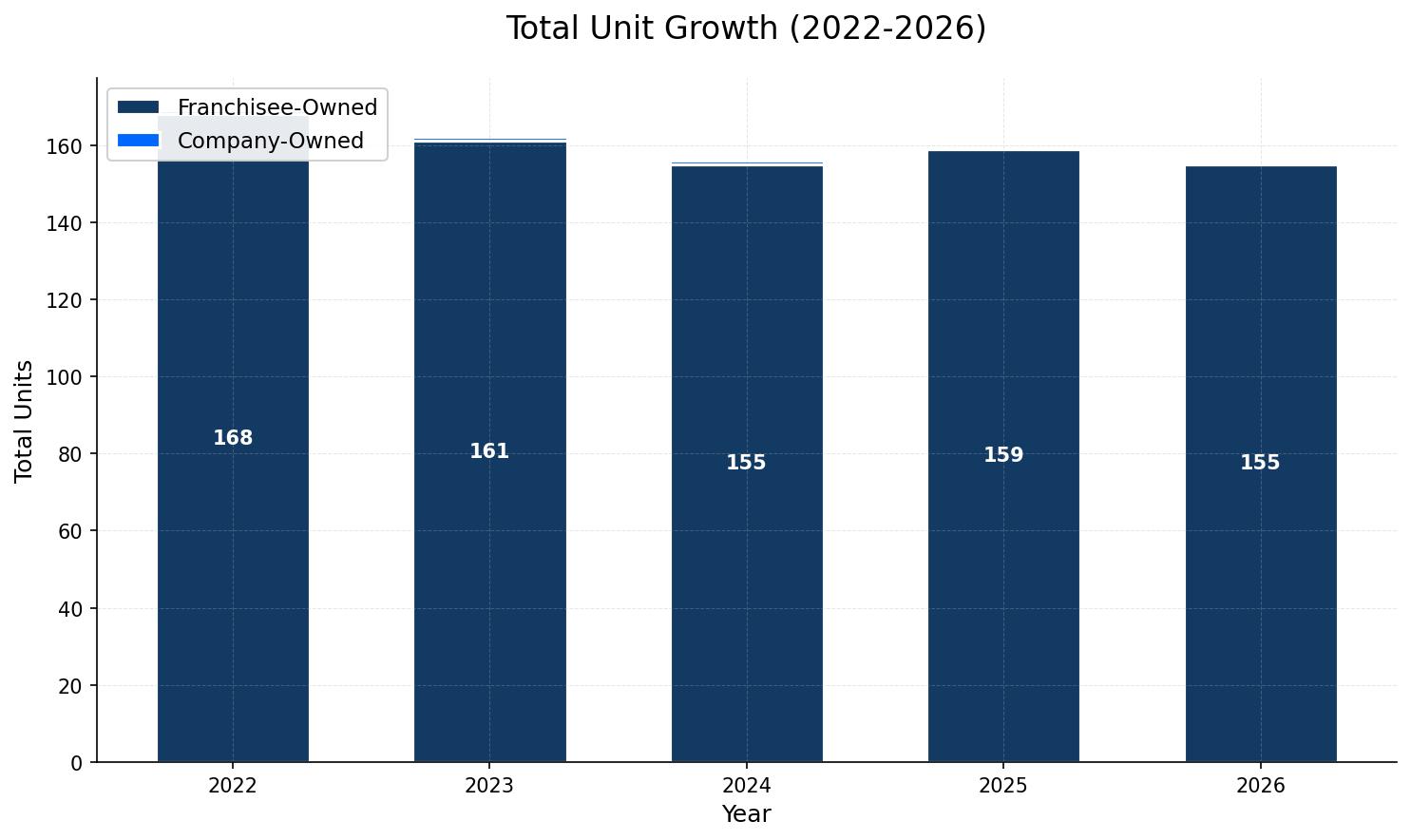
Great Harvest is down to 155 units from 169 in 2022, a roughly 8% net contraction. This looks like a "Sleepy Giant": with that scale and a recent -2.5% year-over-year wobble, prime territories are likely taken and you should expect to buy a local, operations-focused business-focus your diligence on unit economics, franchisee turnover, and the quality of franchisor support rather than on expecting brand-driven growth.
How Much Does It Cost to Open a Great Harvest Franchise?
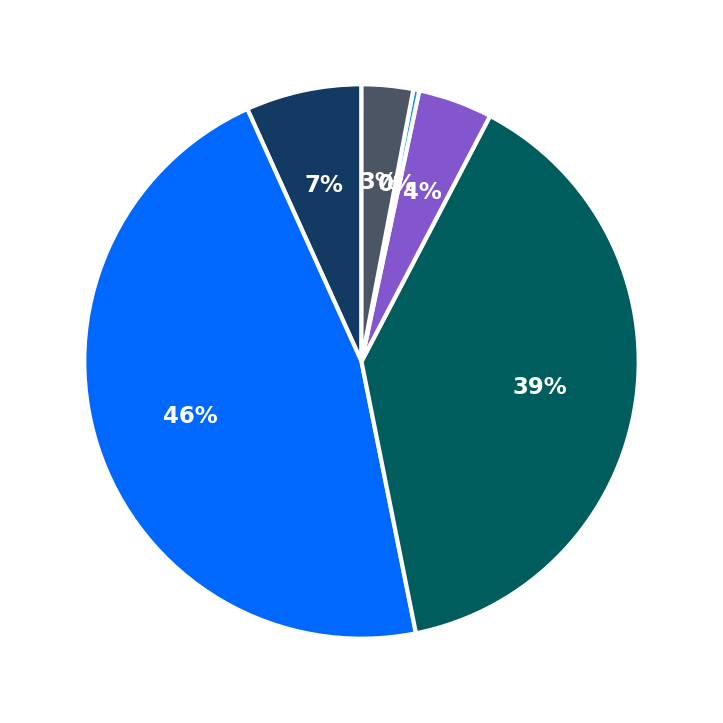
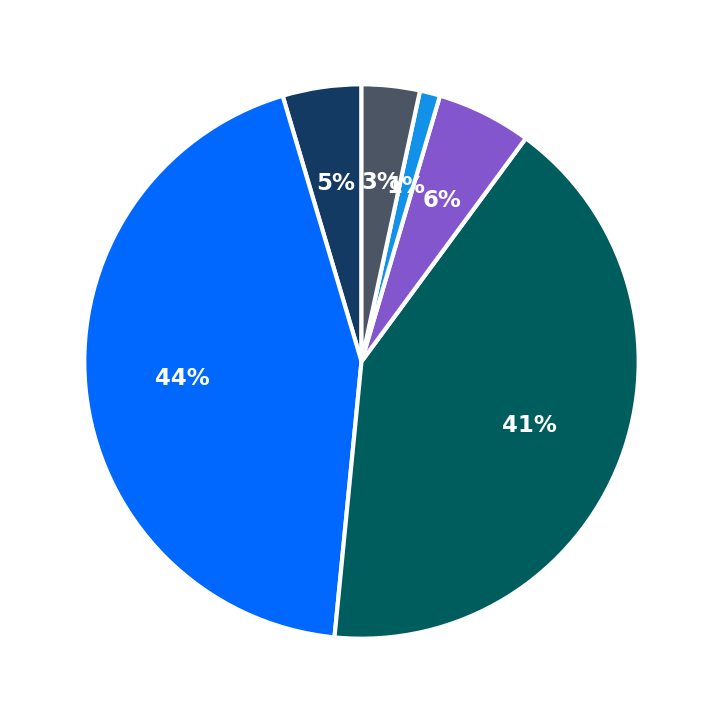
Opening a Great Harvest franchise requires a total initial investment of $591,742 to $871,077, according to the 2026 Franchise Disclosure Document. This range covers the franchise fee, real estate, equipment, training, and initial working capital needed to launch and operate through the early months.
Minimum Investment
Maximum Investment
Minimum Investment Breakdown
Maximum Investment Breakdown
Investment Analysis
This investment analysis is coming soon. Have ideas for other analyses you'd like us to add? Get in touch.
The initial investment amounts shown are estimates only. Actual costs may vary based on location size, business model, and multi-unit ownership arrangements. We recommend reviewing the full Franchise Disclosure Document for complete details.
Frequently Asked Questions
Is Great Harvest a good franchise to own?
Whether Great Harvest is a good franchise depends on your goals, experience, and local market. Key factors from the 2026 FDD: Great Harvest operates 155 locations, received a legal risk score of 74/100, a training and support score of 100/100. The FDD includes Item 19 financial performance data. Prospective franchisees should review the full Franchise Disclosure Document and conduct their own due diligence before making any investment decision.
Is a Great Harvest franchise worth the investment?
The value of a Great Harvest franchise investment depends on factors such as location, operator experience, and market demand. The initial investment ranges from $591,742 to $871,077. The 2026 FDD shows gross sales of $965,873 for 62 real franchise locations. Franchise investments carry inherent risk, and prospective buyers should conduct thorough due diligence before committing capital.
How long does it take to break even with a Great Harvest franchise?
Break-even timelines for Great Harvest franchises are not disclosed in the 2026 Franchise Disclosure Document. Break-even periods vary significantly based on initial investment level, local market conditions, operating costs, and revenue ramp-up speed. Prospective franchisees should build a pro forma financial model using Item 7 cost estimates and, where available, Item 19 financial performance data from the FDD.
Is Great Harvest a franchise or a corporate-owned business?
As of the 2026 FDD, Great Harvest operates 155 franchised locations and 0 company-owned locations. Franchise opportunities are available through the franchisor's disclosure process.
Interested in Great Harvest?
Get more information and connect with the franchise directly.