
Garage Living®
What Is Garage Living?
Garage Living is a franchise in the Construction & Home Improvement category that provides design, supply and installation of residential garage organizers, cabinetry, concrete floor coatings, car lifts, garage doors, garage door operators and related garage renovation products and services. It operates from brick-and-mortar light industrial, commercial or retail locations with showroom, office and warehouse space (typically 3,000–4,000 sq ft in primary markets and 1,000–2,000 sq ft in secondary markets). Garage Living serves residential and commercial customers, targeting residential clients with above-average incomes and not targeting do-it-yourself consumers. The core service bundle includes interior design plus the supply and professional installation of organizers, cabinetry, floor coatings and garage systems, supported by showroom merchandising, inventory and on-site installation capabilities.
Garage Living Franchise: Pros and Cons
The franchise shows unusually low churn with zero outlet terminations, non‑renewals, reacquisitions and no signed‑but‑not‑open units, indicating strong operator retention; however, startup costs are high-Item 7 minimum of $246,450 and a $64,500 franchise fee plus 75% manager equity and three company units increase funding and oversight risk.
Pros
Cons
Sales / Revenue
Average Gross Sales reported for 30 real franchise locations in the 2026 FDD.
What is included?
30 franchise business operations that operate 37 territories, open full 12 months, excluding 4 non-conforming and Canadian
Source and calculation
The displayed figure is taken from the FDD disclosure for 30 real franchise locations. Source table: Financial Performance Representation #1-Average Gross Sales, Average Cost of Goods Sold (COGS), Average Gross Profits and Average Labor Costs.
Important limitations
average gross sales is not the same as owner profit. It does not show all expenses, debt service, taxes, or cash taken home by an owner.
Lawsuits & Legal Risk
Garage Living. Part 1 (The Facts): Garage Living has pursued enforcement actions against former franchisees alleging unpaid invoices, misuse of confidential IP, and breaches of post-term non-competes, resulting in injunctions and a consent settlement transferring IP and confidential payment. Part 2 (The Advice): Review post-termination covenants, IP assignment, payment remedies, Item 12 territory protections, and settlement confidentiality.
Territory Protection
Garage Living grants an exclusive, site-specific Designated Territory (primary: 75,000–170,000 qualified households; secondary: 25,000–75,000) tied to explicit market-density and monthly gross‑revenue performance targets. Territory rights are contingent on meeting these quotas; the franchisor retains rights to sell via e‑commerce/alternative distribution channels and to develop additional units nearby.
Training & Support
Garage Living provides an extensive 134-hour training curriculum designed to prepare three staff members for launch. The program includes on-site launch support focused on operational readiness; franchisees are responsible for travel and living expenses, and on-site assistance may incur additional fees.
Unit Growth Analysis
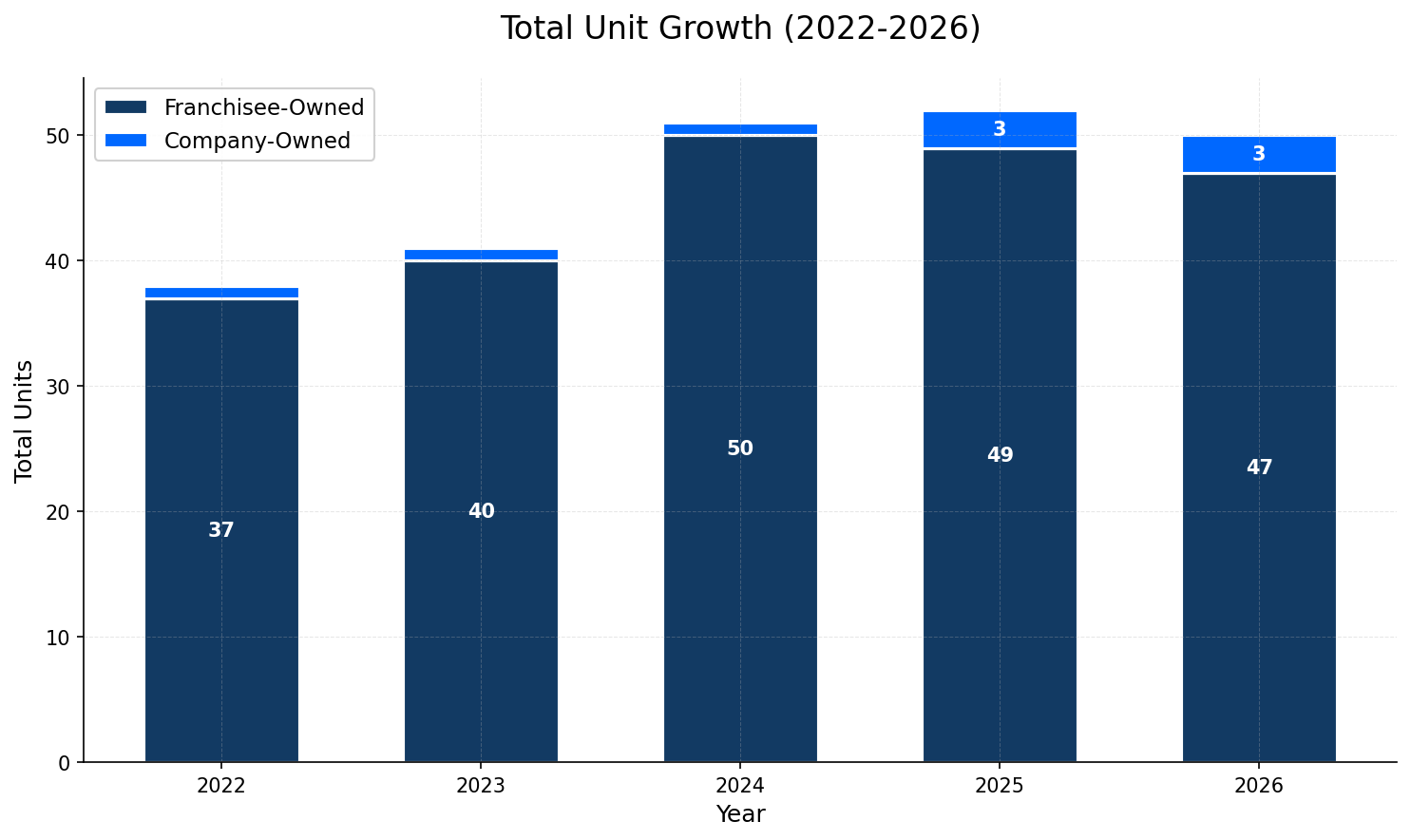
Garage Living is at 50 units now, a net rise from 38 since 2022 but showing a modest -2.0% year-over-year dip. This reads as a validated growth-stage brand-mostly franchise-owned-where the concept is proven but momentum has cooled, so confirm the franchisor’s capacity to support new owners (lead quality, training, service responsiveness) and check remaining territory availability before you commit.
How Much Does It Cost to Open a Garage Living Franchise?
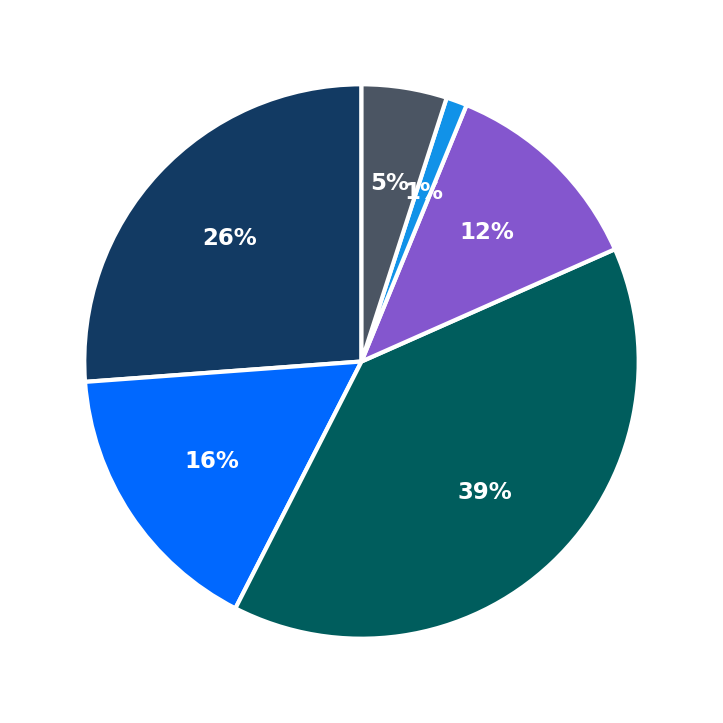
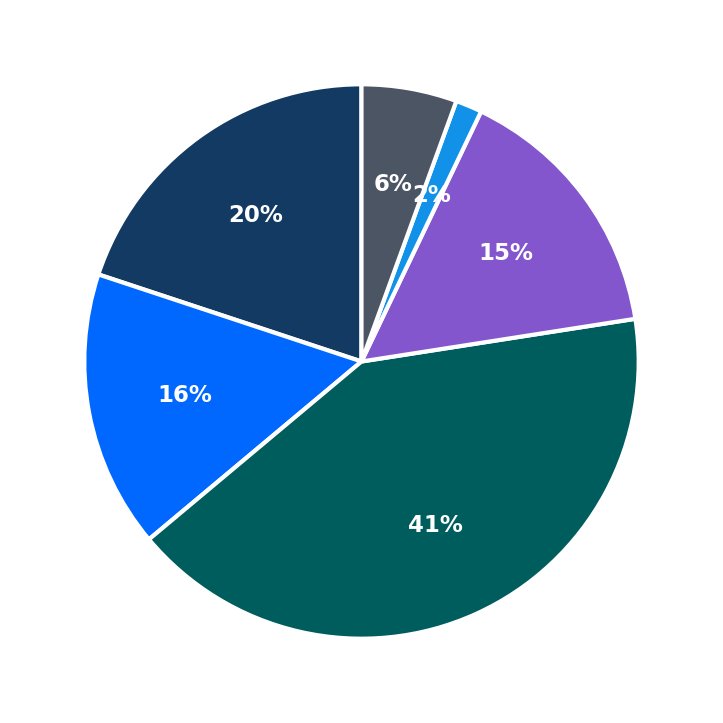
Opening a Garage Living franchise requires a total initial investment of $246,450 to $323,900, according to the 2026 Franchise Disclosure Document. This range covers the franchise fee, real estate, equipment, training, and initial working capital needed to launch and operate through the early months.
Minimum Investment
Maximum Investment
Minimum Investment Breakdown
Maximum Investment Breakdown
Investment Analysis
This investment analysis is coming soon. Have ideas for other analyses you'd like us to add? Get in touch.
The initial investment amounts shown are estimates only. Actual costs may vary based on location size, business model, and multi-unit ownership arrangements. We recommend reviewing the full Franchise Disclosure Document for complete details.
Frequently Asked Questions
Is Garage Living a good franchise to own?
Whether Garage Living is a good franchise depends on your goals, experience, and local market. Key factors from the 2026 FDD: Garage Living operates 50 locations, received a legal risk score of 67/100, a training and support score of 82/100. The FDD includes Item 19 financial performance data. Prospective franchisees should review the full Franchise Disclosure Document and conduct their own due diligence before making any investment decision.
Is a Garage Living franchise worth the investment?
The value of a Garage Living franchise investment depends on factors such as location, operator experience, and market demand. The initial investment ranges from $246,450 to $323,900. The 2026 FDD shows average gross sales of $1,631,626 for 30 real franchise locations. Franchise investments carry inherent risk, and prospective buyers should conduct thorough due diligence before committing capital.
How long does it take to break even with a Garage Living franchise?
Break-even timelines for Garage Living franchises are not disclosed in the 2026 Franchise Disclosure Document. Break-even periods vary significantly based on initial investment level, local market conditions, operating costs, and revenue ramp-up speed. Prospective franchisees should build a pro forma financial model using Item 7 cost estimates and, where available, Item 19 financial performance data from the FDD.
Is Garage Living a franchise or a corporate-owned business?
As of the 2026 FDD, Garage Living operates 47 franchised locations and 3 company-owned locations. Franchise opportunities are available through the franchisor's disclosure process.
Interested in Garage Living?
Get more information and connect with the franchise directly.