
Duck Donuts®
What Is Duck Donuts?
Duck Donuts is a quick-serve franchise specializing in fresh, made-to-order donuts, other breakfast items, gourmet coffee, and merchandise. The primary service channels are not explicitly stated, but the business operates in a quick-serve setting. The FDD does not specify significant revenue streams or typical location types.
Duck Donuts Franchise: Pros and Cons
This franchise has a remarkably clean legal record with zero franchisee lawsuits, settlements, or enforcement actions, but unusually high franchisee turnover-driven by elevated terminations and one government penalty-signals serious retention and compliance concerns.
Pros
Cons
Sales / Revenue
The 2026 FDD appears to include Item 19 financial performance information, but ZeeReport is not showing a number for this report.
Why no number is shown
ZeeReport could not safely identify the source figure, population, or calculation path.
Important limitations
When ZeeReport cannot safely identify the source figure, population, or calculation path, the report does not publish a financial number.
Lawsuits & Legal Risk
Duck Donuts reported no material legal proceedings.
Territory Protection
Duck Donuts grants a limited protected territory for one outlet, defined by contiguous zip codes, where the franchisor will not open another dedicated Duck Donuts outlet. The franchisor retains the right to sell via alternative distribution channels (including e-commerce and non-traditional venues) throughout the territory, and the franchisee has no right of first refusal for additional units.
Training & Support
Duck Donuts provides a robust 84-hour training curriculum designed to prepare four individuals for launch, with the initial fee covering their participation. The program includes on-site training support, with franchisees responsible for travel and lodging expenses.
Franchisee Stability
Duck Donuts receives a Poor Stability Score. Three-year turnover of 11.37% sits well above the typical Food & Beverage franchise (around 5.6%) and is near the high end of the industry range. Out of 44 total exits across the three reported years, terminations dominated with 24, alongside 18 ceased operations, 1 non-renewal, and 1 franchisor buyback.
The dominance of terminations suggests franchisor-initiated exits, which can mean operators struggled with the model or that the franchisor enforces standards aggressively. The substantial number of ceased operations also points to location-level economics challenges. Together, these patterns indicate both systemic and unit-level issues. For prospective franchisees, this warrants additional diligence: review Item 3 litigation disclosures, Item 17 termination triggers, and conduct interviews with current and former franchisees.
Unit Growth Analysis
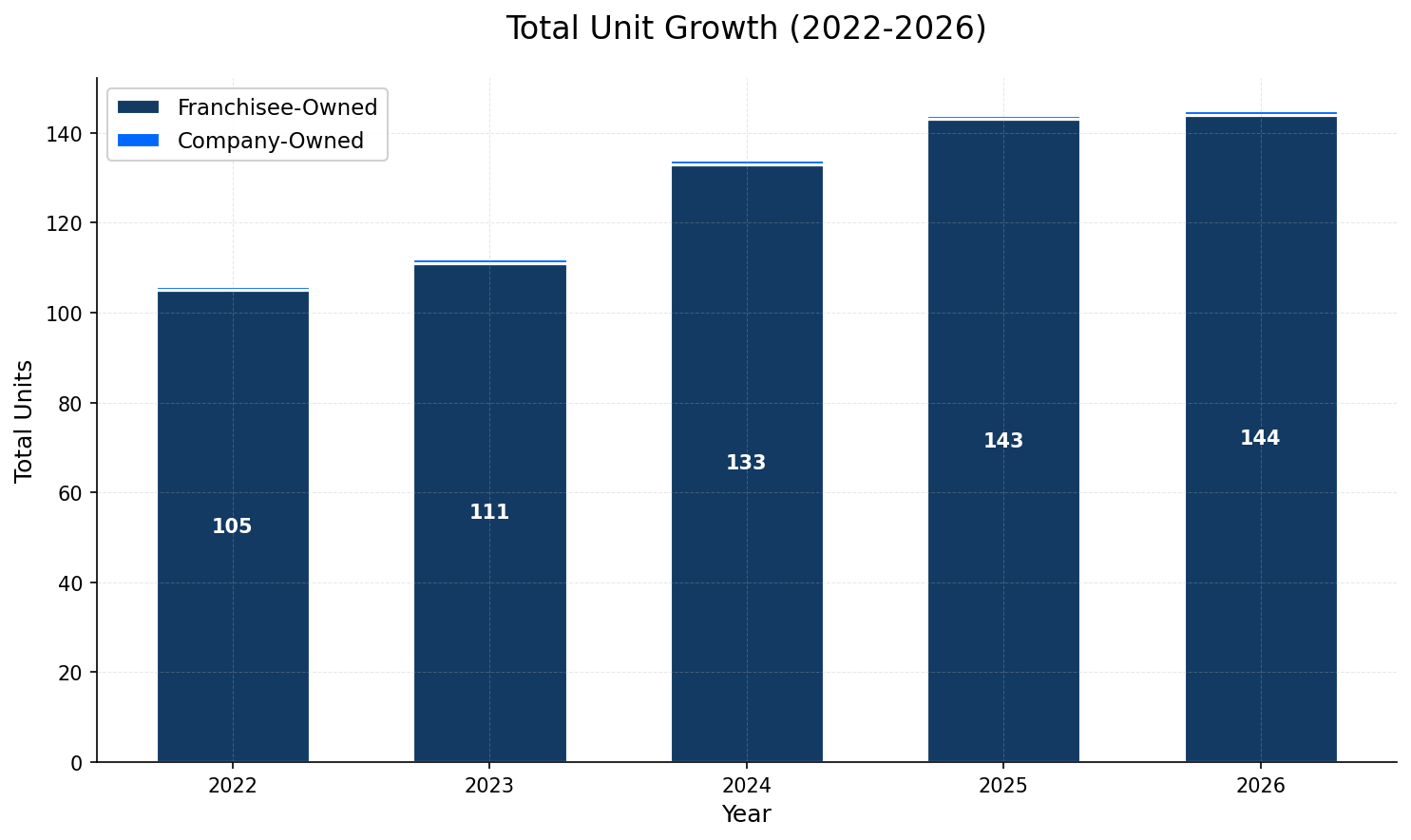
Duck Donuts has added 40 net units over four years, but the recent slowdown to just 1.4% annual growth signals a system settling into a slower, more mature phase. For a new owner, that likely means most prime territories are already taken, and you’re buying into stable, predictable cash flow rather than explosive upside. The real test is whether the franchisor’s support team can maintain quality as growth plateaus-if they’re stretched thin, your growth will depend on stealing customers from competing donut shops, not flooding a new market.
How Much Does It Cost to Open a Duck Donuts Franchise?
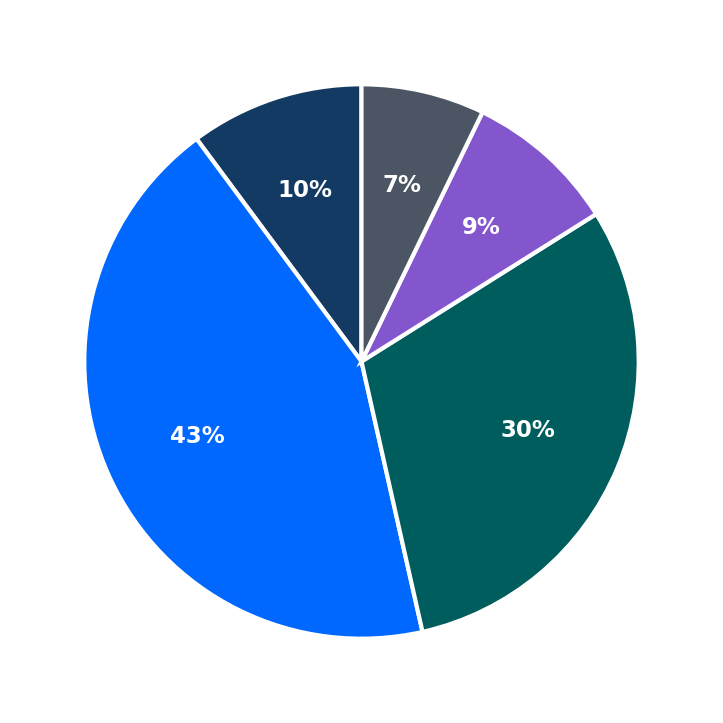
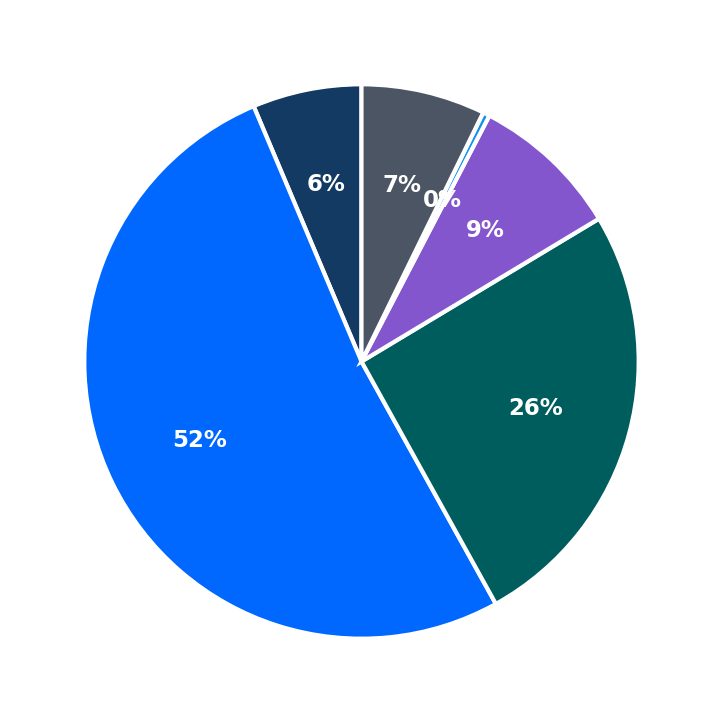
Opening a Duck Donuts franchise requires a total initial investment of $394,150 to $628,700, according to the 2026 Franchise Disclosure Document. This range covers the franchise fee, real estate, equipment, training, and initial working capital needed to launch and operate through the early months.
Minimum Investment
Maximum Investment
Minimum Investment Breakdown
Maximum Investment Breakdown
Investment Analysis
This investment analysis is coming soon. Have ideas for other analyses you'd like us to add? Get in touch.
The initial investment amounts shown are estimates only. Actual costs may vary based on location size, business model, and multi-unit ownership arrangements. We recommend reviewing the full Franchise Disclosure Document for complete details.
Frequently Asked Questions
Is Duck Donuts a good franchise to own?
Whether Duck Donuts is a good franchise depends on your goals, experience, and local market. Key factors from the 2026 FDD: Duck Donuts operates 146 locations, received a legal risk score of 83/100, a training and support score of 62/100. The 2026 FDD appears to include Item 19 financial performance information, but ZeeReport is not showing a number for this report. Prospective franchisees should review the full Franchise Disclosure Document and conduct their own due diligence before making any investment decision.
Is a Duck Donuts franchise worth the investment?
The value of a Duck Donuts franchise investment depends on factors such as location, operator experience, and market demand. The initial investment ranges from $394,150 to $628,700. The 2026 FDD appears to include Item 19 financial performance information, but ZeeReport is not showing a number for this report. The system reported 6 terminated units in 2026. Franchise investments carry inherent risk, and prospective buyers should conduct thorough due diligence before committing capital.
What is the failure rate of Duck Donuts franchises?
In the 2026 FDD, Duck Donuts reported 6 terminated franchises and 0 non-renewals out of 146 total locations. Franchise closures can result from many factors including market conditions, operator decisions, lease expirations, and franchisor enforcement actions. The FDD's Item 20 provides the most detailed unit turnover data.
How long does it take to break even with a Duck Donuts franchise?
Break-even timelines for Duck Donuts franchises are not disclosed in the 2026 Franchise Disclosure Document. Break-even periods vary significantly based on initial investment level, local market conditions, operating costs, and revenue ramp-up speed. Prospective franchisees should build a pro forma financial model using Item 7 cost estimates and, where available, Item 19 financial performance data from the FDD.
Is Duck Donuts a franchise or a corporate-owned business?
As of the 2026 FDD, Duck Donuts operates 144 franchised locations and 1 company-owned locations. Franchise opportunities are available through the franchisor's disclosure process.
Interested in Duck Donuts?
Get more information and connect with the franchise directly.