Challenge Island®
What Is Challenge Island?
Challenge Island is a children's services franchise that operates a mobile service business delivering challenge-based programs to foster critical and creative thinking, problem solving methodology, and core S.T.E.A.M. principles. Franchisees run classes, workshops, camps, school field trips and birthday-party programs-serving primarily children ages 5 through 14+ in both consumer and educational settings-and rely on the franchisor's proprietary curriculum, lesson plans, model plans, and project kits as core system assets.
Challenge Island Franchise: Pros and Cons
With an excellent Franchise Stability Score of 89/100 and top-tier franchisee retention plus modest maximum startup costs (max $74,050) and very low Item 7 asset needs ($700–$3,300), the biggest risk is the high initial franchise fee of $44,910 (top 10%) combined with recent legal flags-one government penalty, one franchisee settlement, and one alleged-fraud case.
Pros
Cons
Sales / Revenue
The 2026 FDD appears to include Item 19 financial performance information, but ZeeReport is not showing a number for this report.
Why no number is shown
The available metric did not appear to be location sales or revenue.
Important limitations
When ZeeReport cannot safely identify the source figure, population, or calculation path, the report does not publish a financial number.
Lawsuits & Legal Risk
Challenge Island settled a 2019 franchisee suit alleging violations of the California Franchise Investment Law, misrepresentation and unfair business practices for an April 2018 sale; the matter was resolved via settlement and mutual releases without admission of liability. Prospective franchisees should review Item 3 disclosures, compare sales materials to the FDD, examine Item 11 post‑termination obligations, and contact listed franchisee references and request settlement documentation during due diligence.
Territory Protection
Challenge Island grants a site-specific protected area defined by contiguous ZIP codes (about 30–40 nearby elementary schools), allowing operation at an Accepted Location while the franchisee remains in compliance. The franchisor retains rights to develop nearby units, use alternative distribution channels including e-commerce, and territory rights are contingent on meeting performance quotas.
Training & Support
Challenge Island provides a focused 24-hour training curriculum designed to prepare three staff members for launch. The program includes on-site launch support to assist operational readiness, with travel and lodging expenses paid by the franchisee and additional fees for on-site assistance.
Franchisee Stability
Challenge Island earns an Excellent Stability Score. Three-year turnover of 1.15% is well below the typical Children's Services franchise (around 3%). Out of 5 total exits across the three reported years, terminations dominated with 4, alongside no non-renewals, no franchisor buybacks, and 1 ceased operations.
The dominance of terminations suggests franchisor-initiated exits, which can mean operators struggled with the model or that the franchisor enforces standards aggressively. The absence of franchisor buybacks makes enforcement a more likely explanation than franchisor reclamation. Prospective buyers should probe unit-level economics, the quality of initial training and ongoing support, and examples of how underperforming locations were handled. For prospective franchisees, this represents a notably strong retention profile, though standard diligence - including conversations with current and former franchisees and a review of Item 17 termination triggers - is still advised.
Unit Growth Analysis
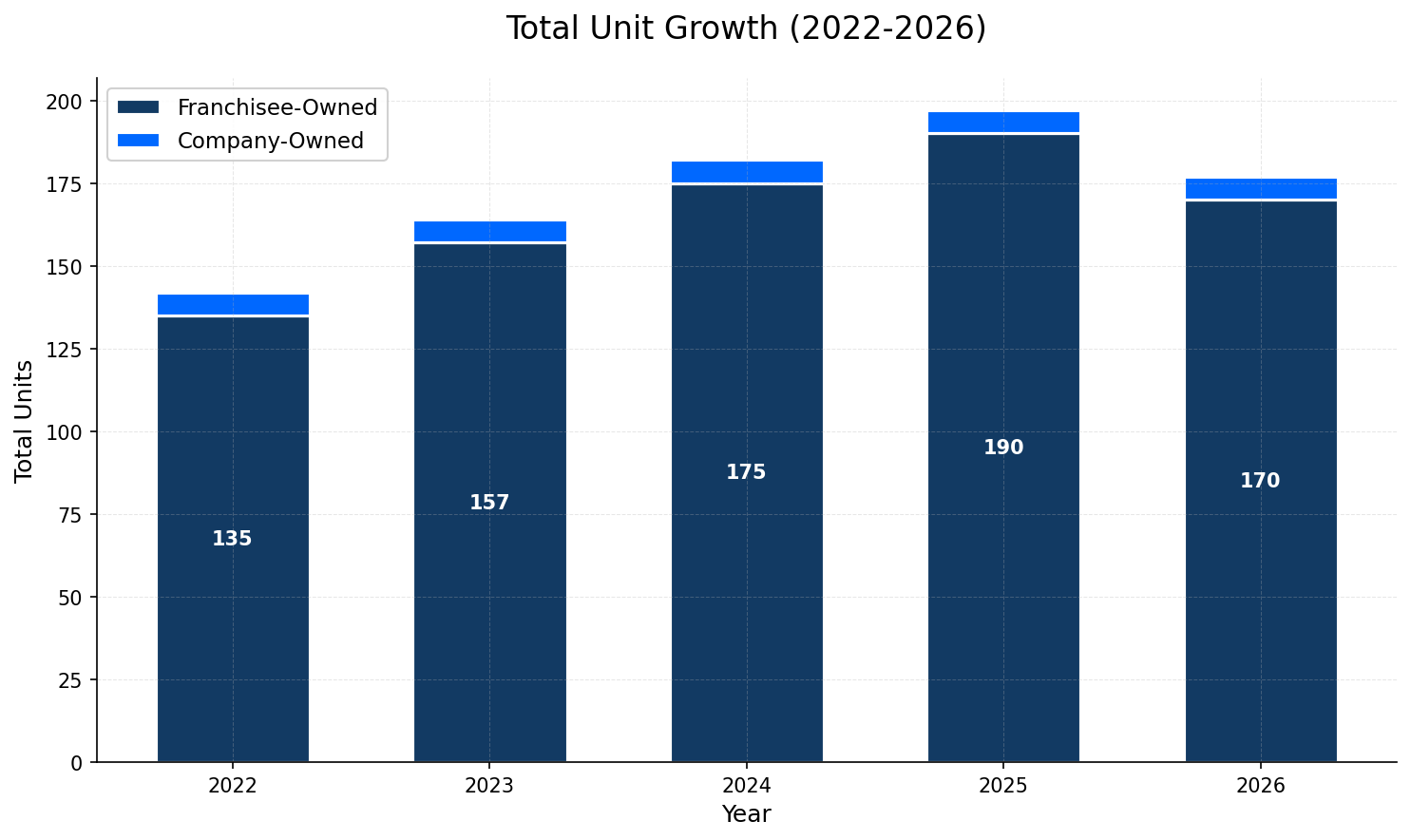
Challenge Island now counts 177 locations (up from 142 in 2022) but the recent -10.2% year-over-year slowdown shows expansion is decelerating. At this scale and with 170 franchised units, the system reads like a "Sleepy Giant" - you’re buying a steady operations play more than a growth windfall, so verify local demand, territory availability, churn/renewal metrics and the franchisor’s current push on lead generation and franchisee support before signing.
How Much Does It Cost to Open a Challenge Island Franchise?
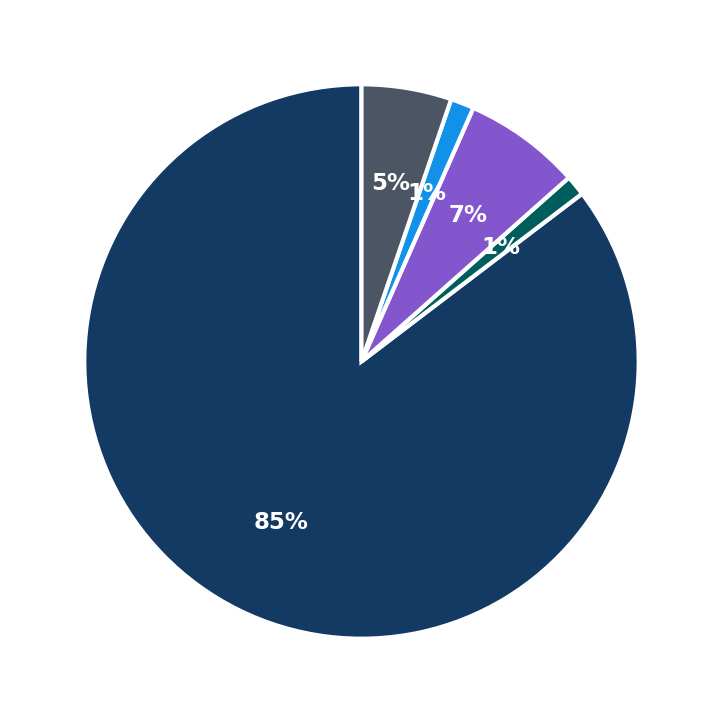
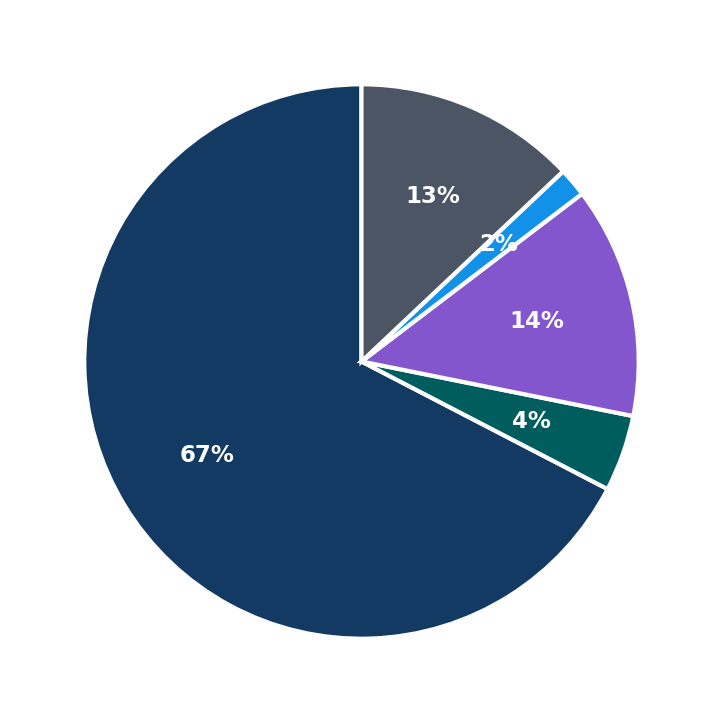
Opening a Challenge Island franchise requires a total initial investment of $58,465 to $74,050, according to the 2026 Franchise Disclosure Document. This range covers the franchise fee, real estate, equipment, training, and initial working capital needed to launch and operate through the early months.
Minimum Investment
Maximum Investment
Minimum Investment Breakdown
Maximum Investment Breakdown
Investment Analysis
This investment analysis is coming soon. Have ideas for other analyses you'd like us to add? Get in touch.
The initial investment amounts shown are estimates only. Actual costs may vary based on location size, business model, and multi-unit ownership arrangements. We recommend reviewing the full Franchise Disclosure Document for complete details.
Frequently Asked Questions
Is Challenge Island a good franchise to own?
Whether Challenge Island is a good franchise depends on your goals, experience, and local market. Key factors from the 2026 FDD: Challenge Island operates 177 locations, received a legal risk score of 67/100, a training and support score of 37/100. The 2026 FDD appears to include Item 19 financial performance information, but ZeeReport is not showing a number for this report. Prospective franchisees should review the full Franchise Disclosure Document and conduct their own due diligence before making any investment decision.
Is a Challenge Island franchise worth the investment?
The value of a Challenge Island franchise investment depends on factors such as location, operator experience, and market demand. The initial investment ranges from $58,465 to $74,050. The 2026 FDD appears to include Item 19 financial performance information, but ZeeReport is not showing a number for this report. Franchise investments carry inherent risk, and prospective buyers should conduct thorough due diligence before committing capital.
How long does it take to break even with a Challenge Island franchise?
Break-even timelines for Challenge Island franchises are not disclosed in the 2026 Franchise Disclosure Document. Break-even periods vary significantly based on initial investment level, local market conditions, operating costs, and revenue ramp-up speed. Prospective franchisees should build a pro forma financial model using Item 7 cost estimates and, where available, Item 19 financial performance data from the FDD.
Is Challenge Island a franchise or a corporate-owned business?
As of the 2026 FDD, Challenge Island operates 170 franchised locations and 7 company-owned locations. Franchise opportunities are available through the franchisor's disclosure process.
Interested in Challenge Island?
Get more information and connect with the franchise directly.