
Bach to Rock®
What Is Bach to Rock?
Bach to Rock is a franchise in the Children's Services category. It operates from a brick-and-mortar location, serving a primary B2C customer base of children and their parents. The core service bundle is music education, including group classes, private lessons, band sessions, and early childhood programs, delivered through a distinctive teaching method.
Bach to Rock Franchise: Pros and Cons
This franchise has never had a closure, termination, or lawsuit, showing strong operator retention and clean legal history. However, you cannot relocate your business, limiting your ability to respond to shifting local demographics or rising property costs.
Pros
Cons
Sales / Revenue
The 2026 FDD appears to include Item 19 financial performance information, but ZeeReport is not showing a number for this report.
Why no number is shown
ZeeReport could not safely identify a publishable reporting population.
Important limitations
When ZeeReport cannot safely identify the source figure, population, or calculation path, the report does not publish a financial number.
Lawsuits & Legal Risk
Bach to Rock reported no material legal proceedings.
Territory Protection
Bach to Rock grants a protected territory based on a specific location, with the franchisor retaining the right to sell via e-commerce and to develop additional units in the surrounding market. Territory protection is contingent on meeting performance quotas. The franchisee receives no right of first refusal for additional locations.
Training & Support
Bach to Rock provides a streamlined 64-hour training curriculum designed to prepare two individuals for launch. The program includes on-site launch assistance, with travel and lodging expenses managed by the franchisee.
Unit Growth Analysis
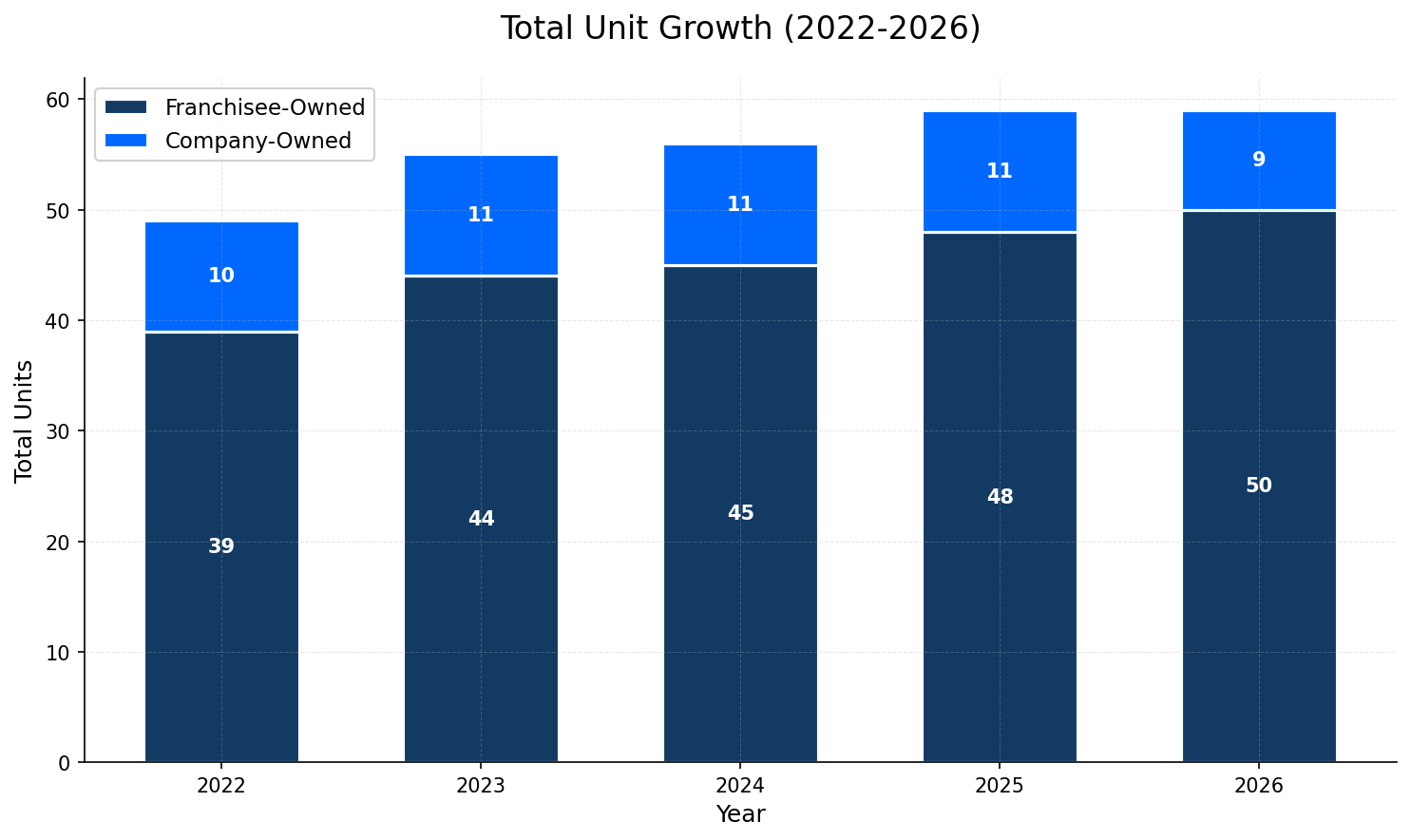
Bach to Rock has added just 9 units over four years, and its recent flat growth signals a stalled startup phase rather than a mature system. With only 59 total locations and a decelerating trend, the concept hasn't proven it can scale consistently, meaning you'd be betting on a brand that's struggling to gain traction rather than one with proven demand. The risk here is that you're buying into a concept that may not have the operational playbook or market pull to support your investment long-term.
How Much Does It Cost to Open a Bach to Rock Franchise?
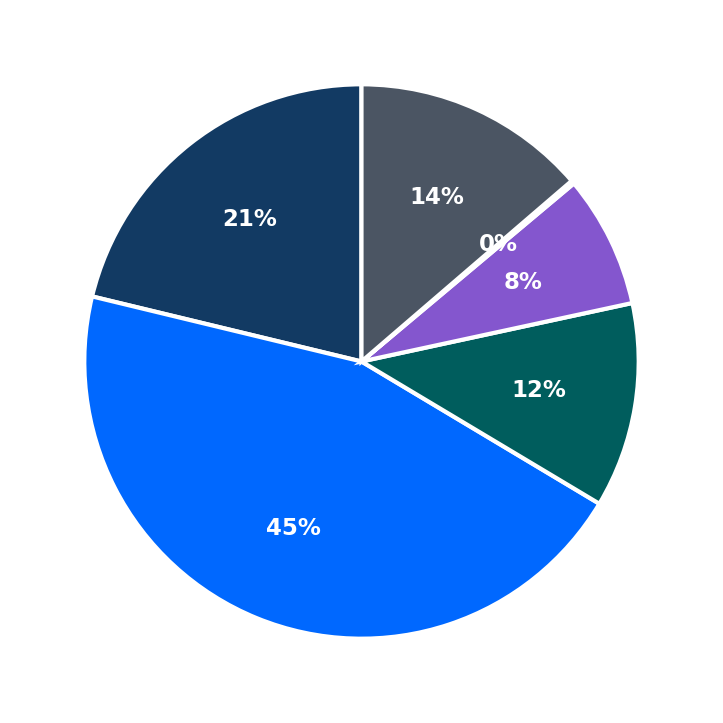
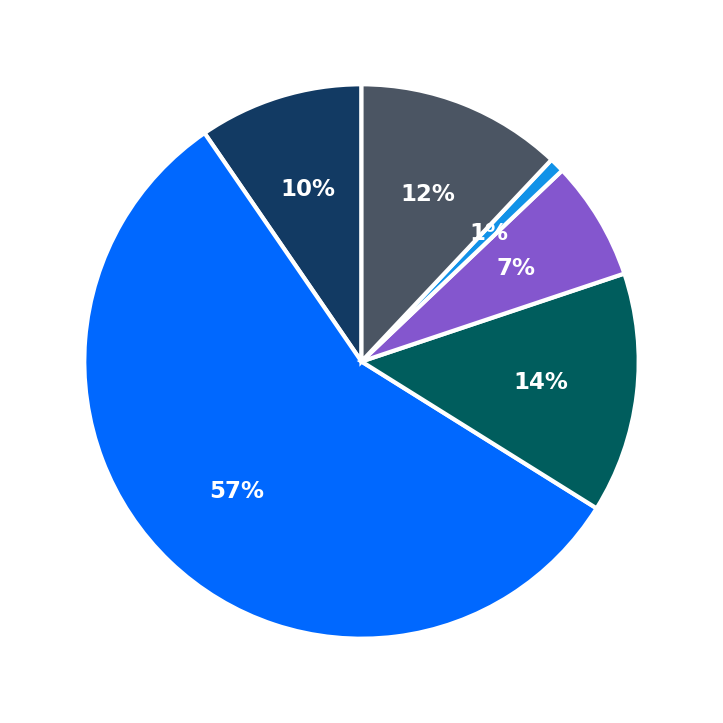
Opening a Bach to Rock franchise requires a total initial investment of $259,100 to $574,000, according to the 2026 Franchise Disclosure Document. This range covers the franchise fee, real estate, equipment, training, and initial working capital needed to launch and operate through the early months.
Minimum Investment
Maximum Investment
Minimum Investment Breakdown
Maximum Investment Breakdown
Investment Analysis
This investment analysis is coming soon. Have ideas for other analyses you'd like us to add? Get in touch.
The initial investment amounts shown are estimates only. Actual costs may vary based on location size, business model, and multi-unit ownership arrangements. We recommend reviewing the full Franchise Disclosure Document for complete details.
Frequently Asked Questions
Is Bach to Rock a good franchise to own?
Whether Bach to Rock is a good franchise depends on your goals, experience, and local market. Key factors from the 2026 FDD: Bach to Rock operates 59 locations, received a legal risk score of 100/100, a training and support score of 46/100. The 2026 FDD appears to include Item 19 financial performance information, but ZeeReport is not showing a number for this report. Prospective franchisees should review the full Franchise Disclosure Document and conduct their own due diligence before making any investment decision.
Is a Bach to Rock franchise worth the investment?
The value of a Bach to Rock franchise investment depends on factors such as location, operator experience, and market demand. The initial investment ranges from $259,100 to $574,000. The 2026 FDD appears to include Item 19 financial performance information, but ZeeReport is not showing a number for this report. Franchise investments carry inherent risk, and prospective buyers should conduct thorough due diligence before committing capital.
How long does it take to break even with a Bach to Rock franchise?
Break-even timelines for Bach to Rock franchises are not disclosed in the 2026 Franchise Disclosure Document. Break-even periods vary significantly based on initial investment level, local market conditions, operating costs, and revenue ramp-up speed. Prospective franchisees should build a pro forma financial model using Item 7 cost estimates and, where available, Item 19 financial performance data from the FDD.
Is Bach to Rock a franchise or a corporate-owned business?
As of the 2026 FDD, Bach to Rock operates 50 franchised locations and 9 company-owned locations. Franchise opportunities are available through the franchisor's disclosure process.
Interested in Bach to Rock?
Get more information and connect with the franchise directly.