Arby's®
What Is Arby's?
Arby's is a fast-crafted quick-service franchise specializing in deli-inspired, meat-focused sandwiches and related menu items. The concept operates as a limited-service, quick-service/fast-casual restaurant model, with traditional restaurants typically featuring counter service and - in the vast majority of cases - a drive-thru window, while non-traditional units may have little or no seating and reduced services. Revenue is generated primarily through sales of sandwiches, sides (such as curly fries) and shakes, and restaurants operate from a range of site types including free-standing buildings, convenience stores, travel plazas and truck stops, end-cap and inline retail spaces, malls, and institutional/non-traditional venues such as airports, stadiums, hospitals, casinos, and college campuses.
Arby's Franchise: Pros and Cons
Strong training and support - a perfect 100 score and 336 hours of initial training - shows the franchisor invests heavily in onboarding; however, the system faces significant legal risk, with 15 disclosed lawsuits including 12 fraud allegations and four government penalties, creating potential costs and reputational damage.
Pros
Cons
Sales / Revenue
AUV reported for 2,182 real franchise locations in the 2026 FDD.
What is included?
2,182 of 2,344 franchised restaurants met the reporting criteria
Source and calculation
The displayed figure is taken from the FDD disclosure for 2,182 real franchise locations. Source table: Annual Unit Volumes for 2025 Franchised Traditional Restaurants.
Important limitations
auv is not the same as owner profit. It does not show all expenses, debt service, taxes, or cash taken home by an owner.
Lawsuits & Legal Risk
Arby's - The Facts: Arby's faced recent consumer and class actions alleging misleading advertising (sandwich and “wagyu” labeling), multi‑state enforcement over no‑poaching franchise provisions, and consolidated data‑security suits; most matters were resolved via settlement without admission of liability. The Advice: Review franchise agreement employee‑solicitation and post‑termination obligations, examine marketing and advertising approval rules and required disclaimers, and request current data‑security policies, breach history, and cyber‑liability insurance documentation.
Territory Protection
Arby's grants a site-specific Protected Area-commonly a 1‑mile radius for freestanding restaurants; Non‑Traditional and certain institutional locations are excluded. These rights are contingent on meeting performance quotas; the franchisor retains the right to develop nearby units and to sell through alternative channels (including e‑commerce), affecting market density and exclusivity.
Training & Support
Arby's provides a Comprehensive 336-hour training curriculum designed for two individuals included in the initial fee to prepare them for launch. The program includes on-site launch assistance to support operational readiness; travel and lodging expenses are the responsibility of the franchisee, and on-site support is provided without additional cost.
How Much Does It Cost to Open an Arby's Franchise?
Opening an Arby's franchise requires a total initial investment of $651,550 to $2,456,600, according to the 2026 Franchise Disclosure Document. This range covers the franchise fee, real estate, equipment, training, and initial working capital needed to launch and operate through the early months.
Minimum Investment
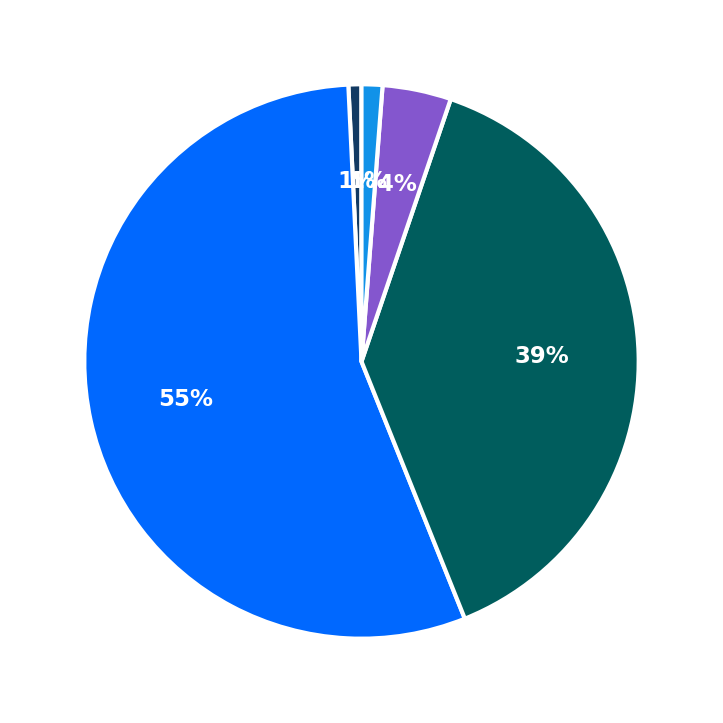
Maximum Investment
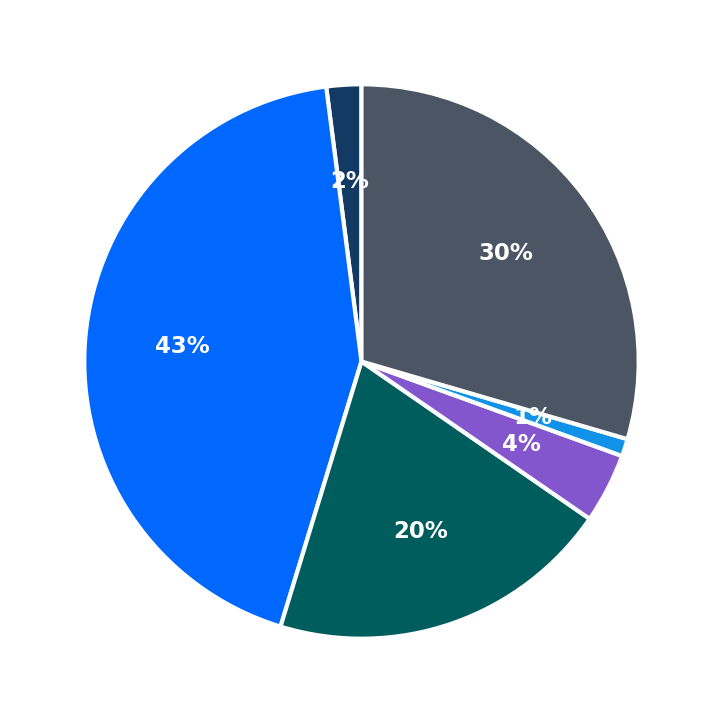
Minimum Investment Breakdown
Maximum Investment Breakdown
Investment Analysis
This investment analysis is coming soon. Have ideas for other analyses you'd like us to add? Get in touch.
The initial investment amounts shown are estimates only. Actual costs may vary based on location size, business model, and multi-unit ownership arrangements. We recommend reviewing the full Franchise Disclosure Document for complete details.
Frequently Asked Questions
Is Arby's a good franchise to own?
Whether Arby's is a good franchise depends on your goals, experience, and local market. Key factors from the 2026 FDD: Arby's operates 3265 locations, received a legal risk score of 81/100, a training and support score of 100/100. The FDD includes Item 19 financial performance data. Prospective franchisees should review the full Franchise Disclosure Document and conduct their own due diligence before making any investment decision.
Is an Arby's franchise worth the investment?
The value of an Arby's franchise investment depends on factors such as location, operator experience, and market demand. The initial investment ranges from $651,550 to $2,456,600. The 2026 FDD shows auv of $1,274,787 for 2,182 real franchise locations. The system reported 8 terminated units in 2026. Franchise investments carry inherent risk, and prospective buyers should conduct thorough due diligence before committing capital.
What is the failure rate of Arby's franchises?
In the 2026 FDD, Arby's reported 8 terminated franchises and 0 non-renewals out of 3265 total locations. Franchise closures can result from many factors including market conditions, operator decisions, lease expirations, and franchisor enforcement actions. The FDD's Item 20 provides the most detailed unit turnover data.
How long does it take to break even with an Arby's franchise?
Break-even timelines for Arby's franchises are not disclosed in the 2026 Franchise Disclosure Document. Break-even periods vary significantly based on initial investment level, local market conditions, operating costs, and revenue ramp-up speed. Prospective franchisees should build a pro forma financial model using Item 7 cost estimates and, where available, Item 19 financial performance data from the FDD.
Is Arby's a franchise or a corporate-owned business?
As of the 2026 FDD, Arby's operates 2344 franchised locations and 921 company-owned locations. Franchise opportunities are available through the franchisor's disclosure process.
Interested in Arby's?
Get more information and connect with the franchise directly.