
Abu Omar Halal®
What Is Abu Omar Halal?
Abu Omar Halal is a franchise of restaurants and food trucks that feature halal food. Franchisees operate Restaurants and/or Permanent Food Trucks and provide takeout, in-store dining, delivery and catering services, and may add Mobile Food Trucks for occasional event catering. Catering is identified as a revenue stream, and franchised operations must be located at approved restaurant sites or at permanent food truck locations.
Abu Omar Halal Franchise: Pros and Cons
A major strength is the franchisor's exceptionally clean legal record, with no disclosed lawsuits, government penalties, franchisee judgments, enforcement actions, or fraud cases; the biggest risk is the zero franchised units (0), leaving you without franchisee peers to interview and an early-stage system with limited franchising track record.
Pros
Cons
Sales / Revenue
Total Gross Sales calculated from 2 affiliate-operated locations in the 2026 FDD.
What is included?
TABLES layout: each segment (Food Trucks and Shopping Centers) is a separate table; the 'Total Gross Sales' row under the 'Average' column gives the per-segment metric; the count is in the 'Number and % of locations that met or exceeded the average' column (first number in that cell).
Source and calculation
ZeeReport calculated the displayed figure from FDD-disclosed values for 2 affiliate-operated locations. Source metric: Total Gross Sales.
Important limitations
total gross sales is not the same as owner profit. It does not show all expenses, debt service, taxes, or cash taken home by an owner. Locations run by the franchisor or its affiliates may have different cost structures than independently owned franchise locations.
Lawsuits & Legal Risk
Abu Omar Halal reported no material legal proceedings,
Territory Protection
Abu Omar Halal grants a protected, non‑exclusive territory-restaurants typically based on a 100,000‑person area and food trucks a 1–5 mile radius-limited to franchisor‑approved locations. Rights are contingent on meeting performance quotas; the franchisor retains e‑commerce/alternative‑channel sales and may develop additional units in the surrounding market.
Training & Support
Abu Omar Halal provides a robust 71-hour training curriculum designed to prepare five staff members for launch. The program includes on-site launch support for operational readiness; franchisees are responsible for travel and lodging, and on-site assistance is provided for an additional fee.
How Much Does It Cost to Open an Abu Omar Halal Franchise?
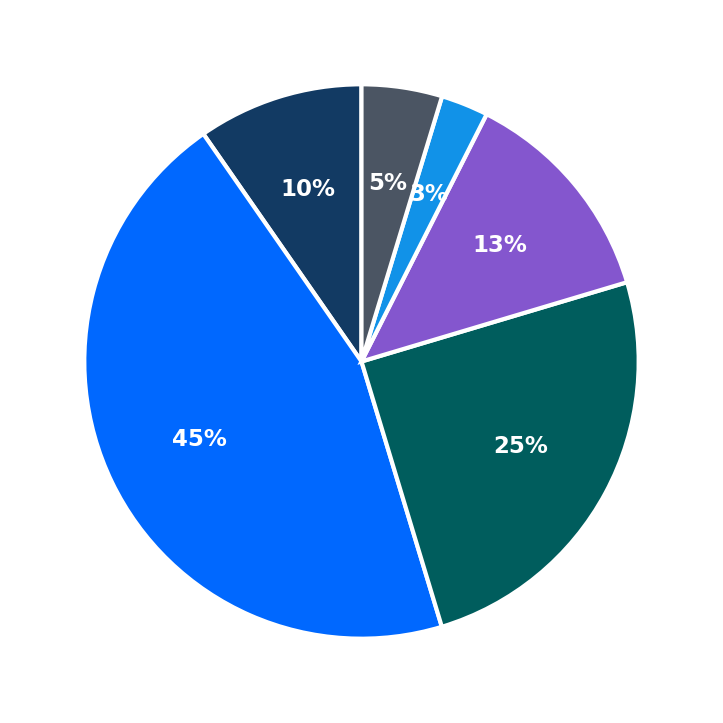
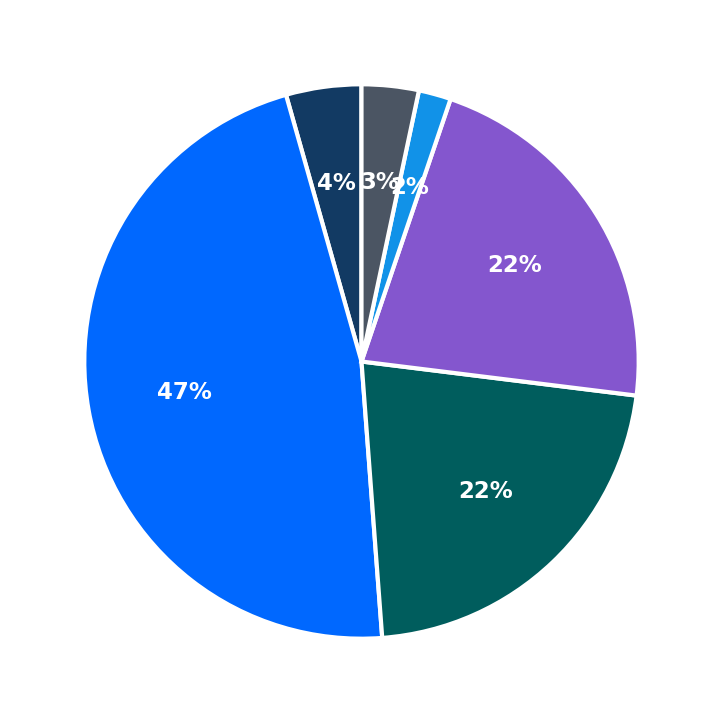
Opening an Abu Omar Halal franchise requires a total initial investment of $362,100 to $797,000, according to the 2026 Franchise Disclosure Document. This range covers the franchise fee, real estate, equipment, training, and initial working capital needed to launch and operate through the early months.
Minimum Investment
Maximum Investment
Minimum Investment Breakdown
Maximum Investment Breakdown
Investment Analysis
This investment analysis is coming soon. Have ideas for other analyses you'd like us to add? Get in touch.
The initial investment amounts shown are estimates only. Actual costs may vary based on location size, business model, and multi-unit ownership arrangements. We recommend reviewing the full Franchise Disclosure Document for complete details.
Frequently Asked Questions
Is Abu Omar Halal a good franchise to own?
Whether Abu Omar Halal is a good franchise depends on your goals, experience, and local market. Key factors from the 2026 FDD: Abu Omar Halal operates 26 locations, received a legal risk score of 100/100, a training and support score of 70/100. The FDD includes Item 19 financial performance data. Prospective franchisees should review the full Franchise Disclosure Document and conduct their own due diligence before making any investment decision.
Is an Abu Omar Halal franchise worth the investment?
The value of an Abu Omar Halal franchise investment depends on factors such as location, operator experience, and market demand. The initial investment ranges from $362,100 to $797,000. The 2026 FDD shows total gross sales of $716,026 for 2 affiliate-operated locations. This figure is for locations run by the franchisor or its affiliates, not franchisee-operated locations. Franchise investments carry inherent risk, and prospective buyers should conduct thorough due diligence before committing capital.
How long does it take to break even with an Abu Omar Halal franchise?
Break-even timelines for Abu Omar Halal franchises are not disclosed in the 2026 Franchise Disclosure Document. Break-even periods vary significantly based on initial investment level, local market conditions, operating costs, and revenue ramp-up speed. Prospective franchisees should build a pro forma financial model using Item 7 cost estimates and, where available, Item 19 financial performance data from the FDD.
Is Abu Omar Halal a franchise or a corporate-owned business?
As of the 2026 FDD, Abu Omar Halal operates 0 franchised locations and 26 company-owned locations. Abu Omar Halal currently operates as a predominantly company-owned system, though franchise opportunities are being offered through the FDD.
Interested in Abu Omar Halal?
Get more information and connect with the franchise directly.