
Abrakadoodle®
What Is Abrakadoodle?
Abrakadoodle is a franchise in the Children's Services category. It operates primarily through a mobile model, delivering arts education programs to children aged 20 months to 12 years, as well as art classes and special events for adults, at facilities operated by others such as schools and community centers. The franchise serves a mix of B2C (individual consumers) and B2B (schools and community centers) customers. The core service bundle includes curriculum materials for teachers and arts education programs for children and adults.
Abrakadoodle Franchise: Pros and Cons
This franchise offers a clean legal record and refundable initial fees, rare protections in the industry. However, the minimum franchise fee of $72,028 is well above typical costs, requiring a larger upfront cash investment to get started.
Pros
Cons
Sales / Revenue
Gross Sales reported for the franchised locations described in the FDD in the 2026 FDD.
What is included?
24 of 28 franchise owners met the reporting criteria (operated at least 12 full calendar months in 2025)
Source and calculation
The displayed figure is taken from the FDD disclosure for the franchised locations described in the FDD. Source table: High Low Average Median # of # of % of Annual Gross Annual Annual Gross Annual Franchise Franchise Franchise Sales Gross Sales Sales Gross Owners Owners Owners (US$) of (US$) of (US$) of included in included in included in Franchise Franchise Franchise Quintile Quintile at Quintile at Owners Owners Owners or above or above Average Average.
Important limitations
gross sales is not the same as owner profit. It does not show all expenses, debt service, taxes, or cash taken home by an owner.
Lawsuits & Legal Risk
Abrakadoodle reported no material legal proceedings.
Territory Protection
Abrakadoodle grants franchisees a protected territory defined by zip codes or county boundaries, but without exclusivity; the franchisor retains the right to sell via e-commerce and alternative channels, and territory rights are contingent on meeting annual performance quotas.
Training & Support
Abrakadoodle provides a streamlined 40-hour training curriculum designed to prepare two individuals for launch. The program includes on-site launch assistance, with travel and lodging expenses managed by the franchisee.
Franchisee Stability
Abrakadoodle receives a Normal Stability Score. Its three-year franchisee turnover of 8.65% sits above the typical Children's Services franchise (around 3.5%). Out of 9 total exits across the three reported years, ceased operations dominated with 6, alongside 2 non-renewals and 1 termination.
The dominance of ceased operations suggests location-level economics drove the exits-operators chose to close stores that weren't performing, rather than friction with the franchisor. For prospective franchisees, retention runs a bit below similar franchises; before signing, read Item 3 for lawsuits, read Item 17 for the rules on ending a franchise, and talk to current and former franchisees.
Unit Growth Analysis
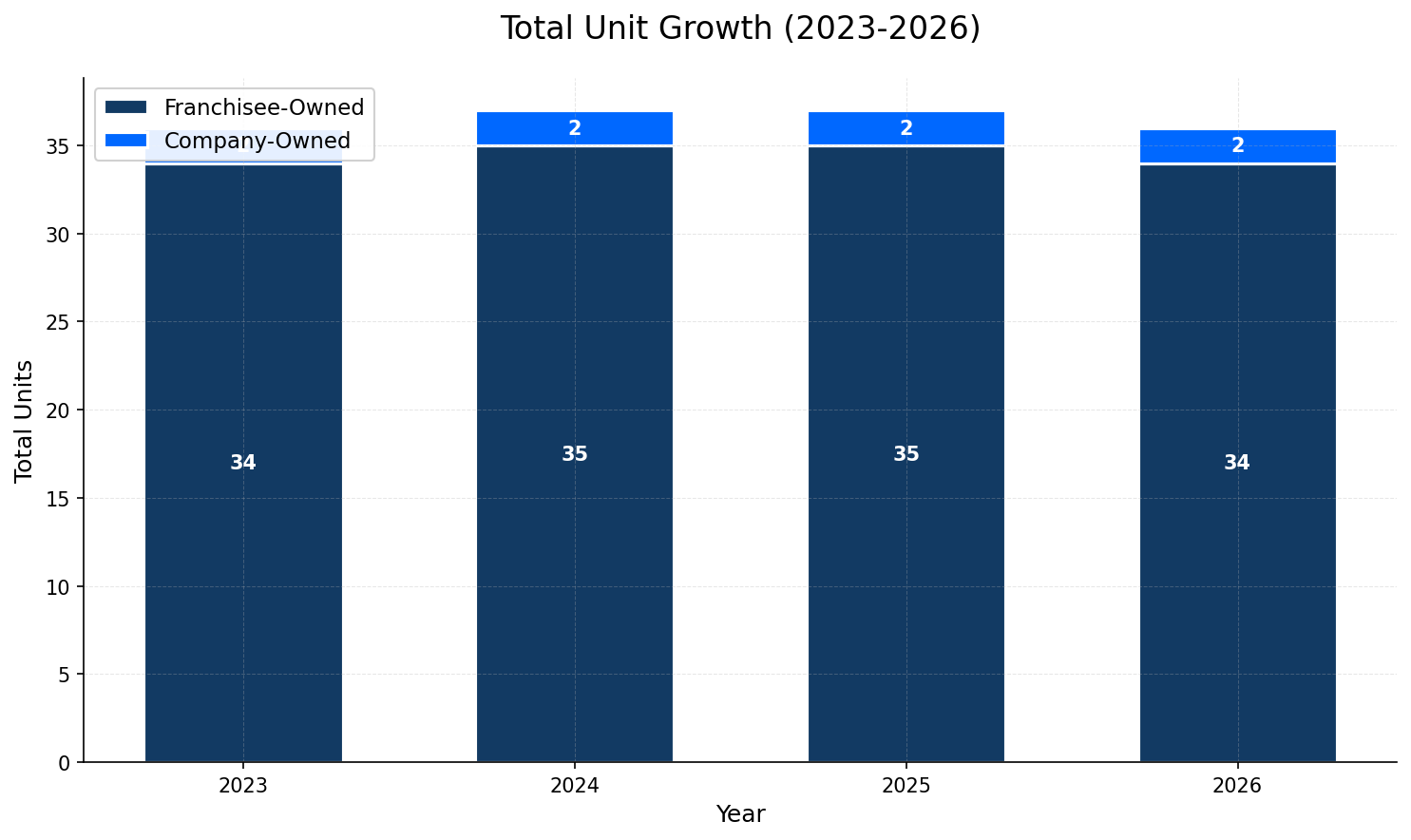
Abrakadoodle’s flat count of 36 units over three years, with a recent 2.7% decline, signals a stalled startup that hasn’t gained traction. For a new owner, this means you’re buying into a concept that isn’t expanding, so you’ll likely face a saturated local market with limited brand momentum and no proof the model can scale. The risk here is that you’re essentially running a standalone business without the support of a growing network to drive leads or innovation.
How Much Does It Cost to Open an Abrakadoodle Franchise?
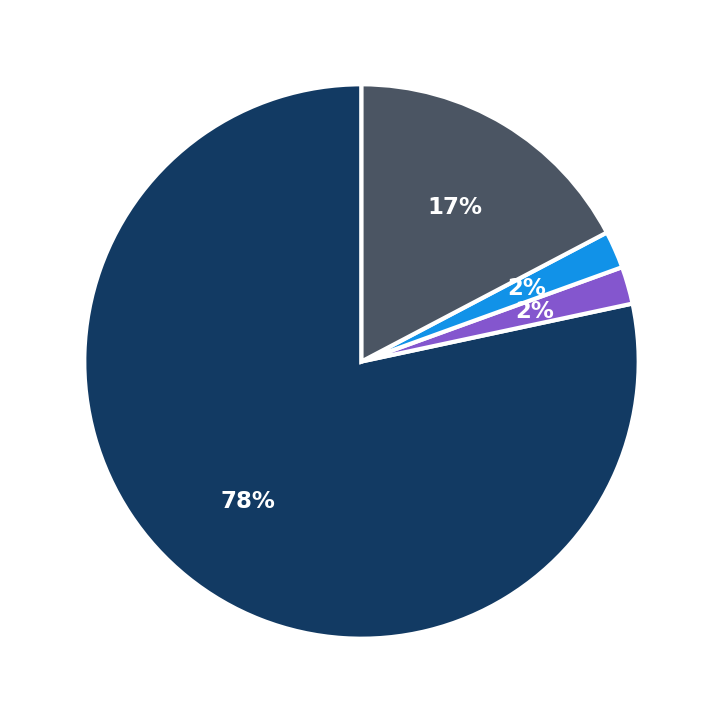
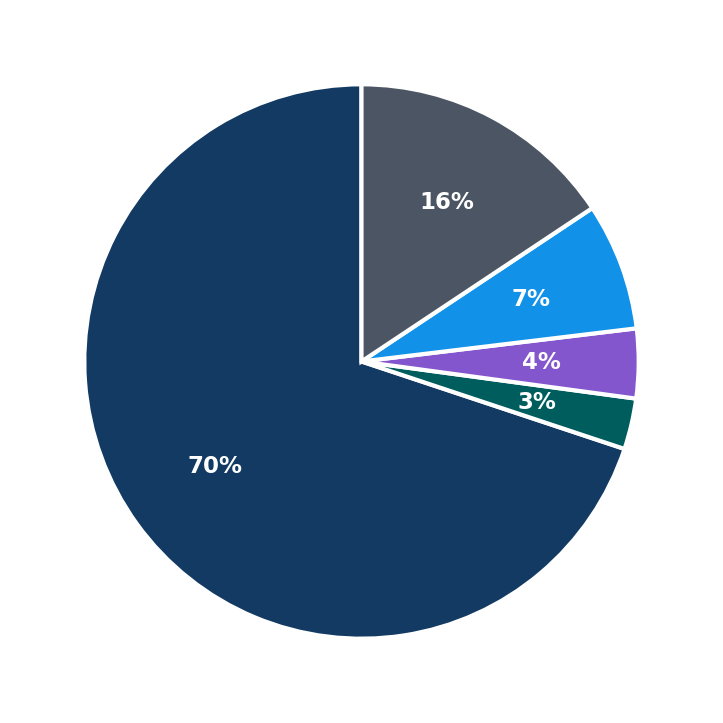
Opening an Abrakadoodle franchise requires a total initial investment of $91,928 to $148,127, according to the 2026 Franchise Disclosure Document. This range covers the franchise fee, real estate, equipment, training, and initial working capital needed to launch and operate through the early months.
Minimum Investment
Maximum Investment
Minimum Investment Breakdown
Maximum Investment Breakdown
Investment Analysis
This investment analysis is coming soon. Have ideas for other analyses you'd like us to add? Get in touch.
The initial investment amounts shown are estimates only. Actual costs may vary based on location size, business model, and multi-unit ownership arrangements. We recommend reviewing the full Franchise Disclosure Document for complete details.
Frequently Asked Questions
Is Abrakadoodle a good franchise to own?
Whether Abrakadoodle is a good franchise depends on your goals, experience, and local market. Key factors from the 2026 FDD: Abrakadoodle operates 36 locations, received a legal risk score of 100/100, a training and support score of 30/100. The FDD includes Item 19 financial performance data. Prospective franchisees should review the full Franchise Disclosure Document and conduct their own due diligence before making any investment decision.
Is an Abrakadoodle franchise worth the investment?
The value of an Abrakadoodle franchise investment depends on factors such as location, operator experience, and market demand. The initial investment ranges from $91,928 to $148,127. The 2026 FDD shows gross sales of $164,520 for the franchised locations described in the FDD. Franchise investments carry inherent risk, and prospective buyers should conduct thorough due diligence before committing capital.
What is the failure rate of Abrakadoodle franchises?
In the 2026 FDD, Abrakadoodle reported 0 terminated franchises and 2 non-renewals out of 36 total locations. Franchise closures can result from many factors including market conditions, operator decisions, lease expirations, and franchisor enforcement actions. The FDD's Item 20 provides the most detailed unit turnover data.
How long does it take to break even with an Abrakadoodle franchise?
Break-even timelines for Abrakadoodle franchises are not disclosed in the 2026 Franchise Disclosure Document. Break-even periods vary significantly based on initial investment level, local market conditions, operating costs, and revenue ramp-up speed. Prospective franchisees should build a pro forma financial model using Item 7 cost estimates and, where available, Item 19 financial performance data from the FDD.
Is Abrakadoodle a franchise or a corporate-owned business?
As of the 2026 FDD, Abrakadoodle operates 34 franchised locations and 2 company-owned locations. Franchise opportunities are available through the franchisor's disclosure process.
Interested in Abrakadoodle?
Get more information and connect with the franchise directly.